


Alternating Residence Arrangements For Children.
Alternating Residence Arrangements for Children (Shared/Joint Physical Custody)
1. Concept Overview
Alternating residence arrangements (often called shared parenting or joint physical custody) refer to a system where a child lives with each parent for defined, alternating periods—for example:
- Week-on/week-off
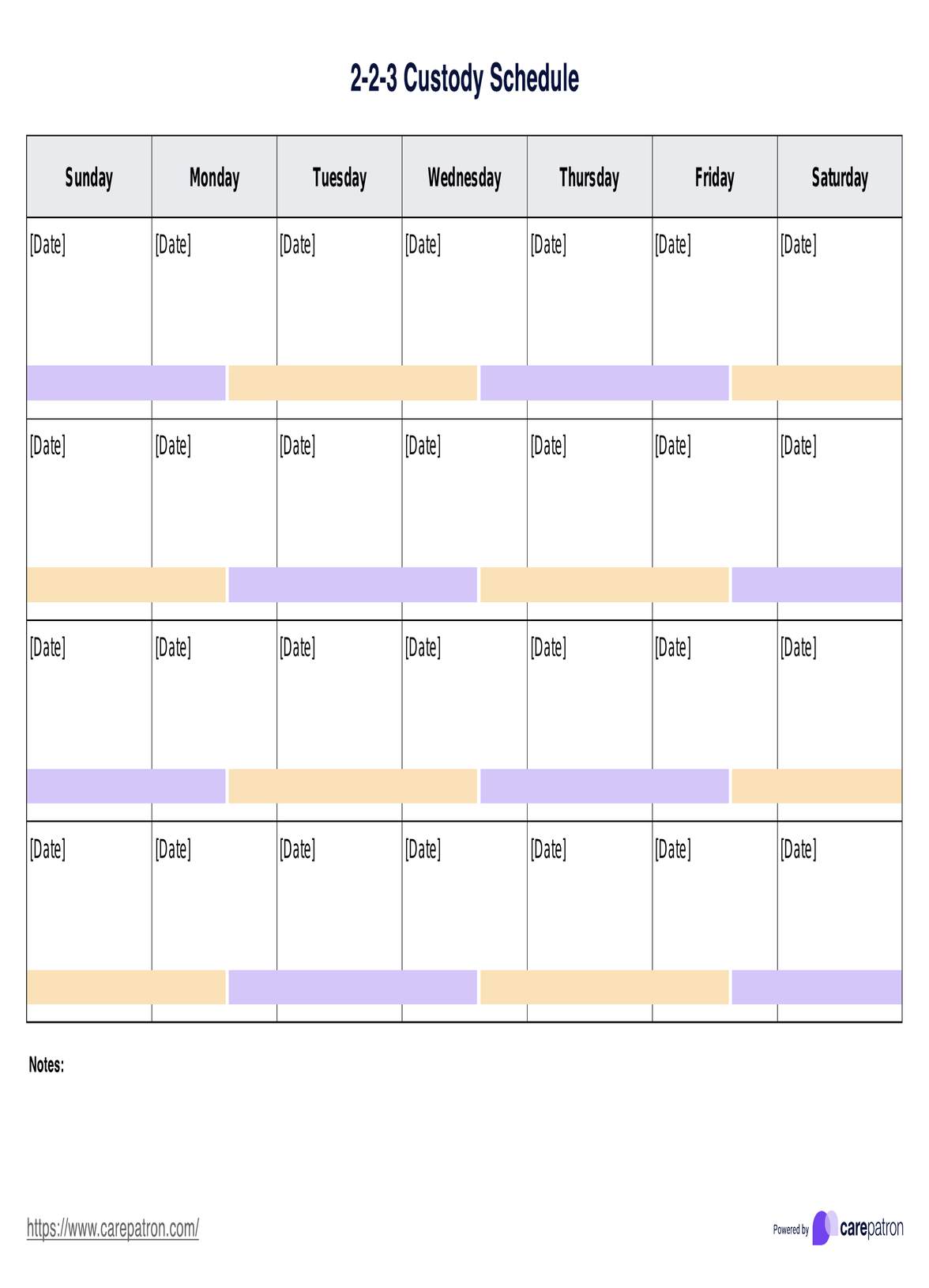
- 2–2–3 rotation (2 days with one parent, 2 with the other, 3 alternating)
- School-term vs holiday division
The aim is to ensure continuous and meaningful involvement of both parents in the child’s life after separation or divorce.
2. Common Scheduling Patterns
Week-on / Week-off Model



4
- Child stays one full week with each parent
- Simple and predictable
- Works better for older children
2–2–3 Rotation Model


4
- Ensures frequent contact with both parents
- Suitable for younger children
- Requires high parental coordination
Split-Year / School-Term Model


4
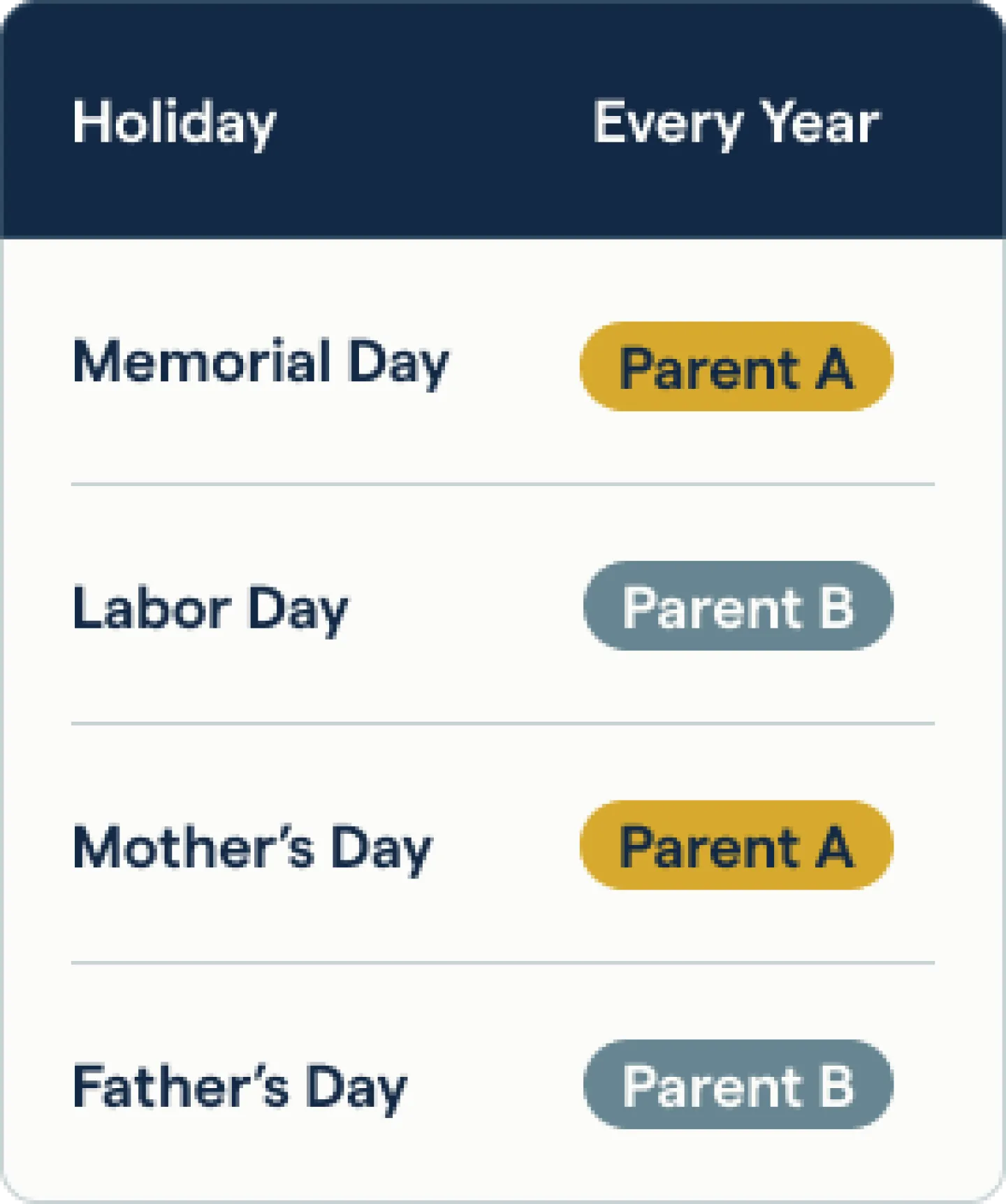
- One parent during school term, the other during vacations
- Useful when parents live far apart
3. Legal Framework
(A) India
- No explicit statutory framework for joint physical custody
- Governed by:
- Guardians and Wards Act, 1890
- Hindu Minority and Guardianship Act, 1956
- Courts rely on:
- “Welfare of the child” (paramount consideration)
(B) International / European Influence
- Article 8 ECHR → right to family life
- Courts increasingly recognize:
- child’s right to maintain relationships with both parents
4. Key Legal Principles
(1) Best Interests of the Child
- Emotional stability
- Educational continuity
- Safety and wellbeing
(2) Parental Cooperation
Alternating residence works only if:
- parents can communicate
- conflict is manageable
(3) Child’s Preference
- Considered depending on age and maturity
(4) Stability vs Shared Parenting
Courts balance:
- need for a stable home
vs. - benefit of equal parental involvement
5. Important Case Laws
1. Roxann Sharma v. Arun Sharma (2015, Supreme Court of India)
- Concerned custody of a minor child.
👉 Held:
- Welfare of child is paramount, not legal rights of parents
👉 Relevance:
Alternating residence allowed only if it serves child welfare, not parental equality alone.
2. Gaurav Nagpal v. Sumedha Nagpal (2009, Supreme Court of India)
- Landmark custody case.
👉 Held:
- Child’s welfare includes emotional, moral, and psychological factors
👉 Relevance:
Shared custody must support holistic development, not just time-sharing.
3. Yashita Sahu v. State of Rajasthan (2020, Supreme Court of India)
- Father sought visitation rights.
👉 Held:
- Child should have continuous contact with both parents
👉 Relevance:
Strong judicial support for shared parenting concepts, including alternating residence.
4. Vivek Singh v. Romani Singh (2017, Supreme Court of India)
- Concerned parental alienation and custody.
👉 Held:
- Child needs love and affection of both parents
👉 Relevance:
Encourages balanced parenting time, often implemented via alternating residence.
5. Nil Ratan Kundu v. Abhijit Kundu (2008, Supreme Court of India)
- Custody dispute involving grandparents.
👉 Held:
- Welfare of child outweighs all other considerations
👉 Relevance:
Alternating residence cannot be imposed if it creates instability.
6. Elsholz v. Germany (ECtHR, 2000)
- Concerned denial of contact rights.
👉 Held:
- State must facilitate parent-child relationship
👉 Relevance:
Supports legal basis for frequent and meaningful contact, including shared residence.
7. Sommerfeld v. Germany (ECtHR, 2003)
- Custody and contact dispute.
👉 Held:
- Proper evaluation of family dynamics required
👉 Relevance:
Alternating residence must be based on careful psychological assessment
8. Hokkanen v. Finland (ECtHR, 1994)
- Enforcement of custody/visitation orders.
👉 Held:
- Authorities must actively ensure contact
👉 Relevance:
Shared custody arrangements must be effectively implemented, not just ordered
6. Advantages of Alternating Residence
- Maintains strong bond with both parents
- Reduces “winner-loser” custody outcomes
- Encourages shared responsibility
- Supports child’s emotional development
7. Challenges and Risks
(A) High Conflict Between Parents
- Can harm child more than benefit
(B) Frequent Transitions
- May create instability, especially for young children
(C) Logistical Complexity
- School, activities, and routines must align
(D) Geographic Distance
- Difficult if parents live far apart
8. When Courts Approve Alternating Residence
Courts are more likely to allow it when:
- Both parents are fit and involved
- Child is comfortable with both homes
- Parents live close to each other
- Communication is functional
- No history of abuse or neglect
9. When Courts Reject It
- High parental conflict
- Child shows distress or resistance
- One parent is primary caregiver with strong dependency
- Practical difficulties (distance, schooling disruption)
10. Conclusion
Alternating residence arrangements represent a modern, child-centric approach to custody, moving away from sole custody models. However, courts consistently emphasize:
It is not about equal division of time, but about optimal development and welfare of the child.
Case law—from Gaurav Nagpal to Yashita Sahu and Elsholz—makes it clear that shared parenting is encouraged only when it genuinely benefits the child, not merely to satisfy parental claims.
RELATED Blog












comments