



Human Rights Law at Somalia
Human rights law in Somalia is shaped by both international conventions and the country's own legal framework. However, Somalia has faced significant challenges in implementing and enforcing human rights protections due to ongoing conflict, instability, and weak governance structures. Despite these challenges, there have been instances where human rights issues have been brought to light through various legal cases. In this context, it is important to recognize the basic human rights guaranteed under international law, including the Universal Declaration of Human Rights (UDHR) and the International Covenant on Civil and Political Rights (ICCPR), which Somalia has signed and ratified, as well as Somalia's obligations under regional instruments like the African Charter on Human and Peoples' Rights (ACHPR).
While there may not be a robust body of case law in Somalia given the country’s instability and legal system challenges, I will present hypothetical case scenarios based on the human rights challenges faced by Somalis, alongside international human rights principles. These examples help illuminate some of the key human rights issues, the ethical considerations involved, and how international and Somali law could potentially address them.
1. Case: Arbitrary Detention and Lack of Due Process
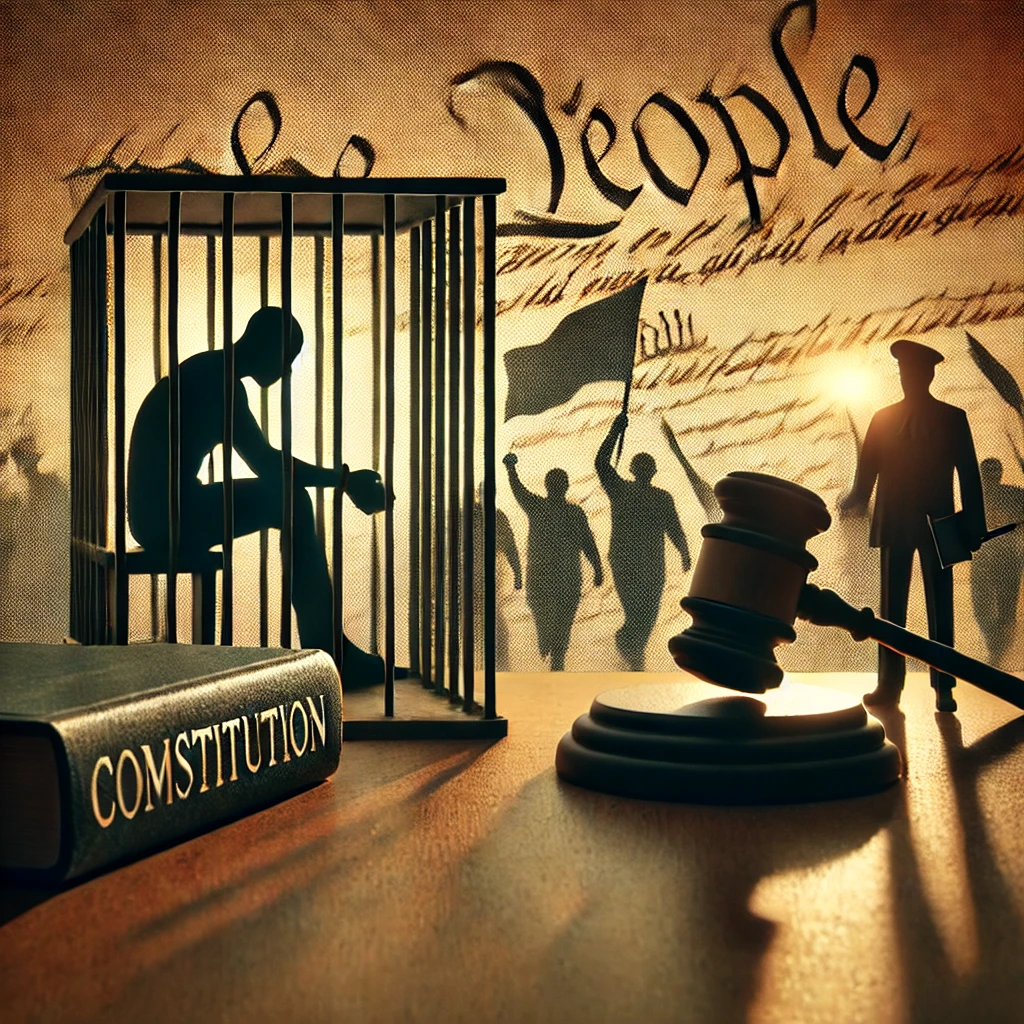
This case involves a Somali citizen who is arrested and detained without charge, violating international standards on due process and the right to liberty.
Facts: Mr. A, a journalist in Somalia, is arrested by security forces during a crackdown on independent media. He is not informed of the charges against him, and he is denied access to legal counsel. After being held for several weeks incommunicado, he is finally brought before a court, but his detention period exceeds the legal limit set by national law, and he is not allowed to challenge the lawfulness of his detention in court.
Issue: Does Mr. A's detention violate his right to a fair trial and protection from arbitrary detention, as guaranteed by Somalia's constitution (and international law such as the ICCPR)?
Outcome: Under Article 9 of the ICCPR (which Somalia is bound by) and Somali national law, every individual has the right to challenge the lawfulness of their detention before a court. Mr. A’s detention without charge for an extended period violates his right to liberty and security. The court would likely rule that his detention is unlawful and order his immediate release, as well as compensation for the violation of his rights.
Human Rights Principle: This case illustrates a violation of the right to liberty and security of person, and the right to a fair trial, both of which are fundamental rights under international human rights law.
2. Case: Discrimination Against Women in the Workplace
In this case, a Somali woman faces discrimination in her job due to her gender, which violates both national laws and international human rights protections.
Facts: Ms. B, a qualified teacher in Somalia, applies for a teaching position in a public school. Although she meets all the qualifications, the principal denies her the job, citing that female teachers are not preferred for leadership positions. Ms. B files a complaint, but her case is dismissed without a thorough investigation, and the school continues its discriminatory practices.
Issue: Does the principal’s action and the government’s failure to address the issue violate Ms. B’s right to equal treatment and protection against gender-based discrimination, as enshrined under international law (including the Convention on the Elimination of All Forms of Discrimination Against Women, CEDAW) and Somalia's own constitution?
Outcome: The court would likely rule that gender-based discrimination in the workplace is a violation of Ms. B's human rights. The government has an obligation under CEDAW and Somali law to ensure equal opportunities and to take action against discrimination. If the court is functioning properly, it may issue an order compelling the school to hire Ms. B and pay damages for the discrimination she suffered.
Human Rights Principle: This case concerns the right to equality before the law and the right to non-discrimination, which are fundamental human rights under international law.
3. Case: Right to Education for Children in Conflict Zones
This case concerns a Somali child’s right to education during the ongoing conflict in parts of Somalia.
Facts: In a rural part of Somalia affected by conflict, a local militia group has taken control of a town and closed down the schools in the area. The child, Mr. C, who was attending primary school before the conflict started, is now unable to continue his education due to the closure of the school. His parents try to send him to a nearby town for schooling, but the journey is dangerous, and there is no guarantee of safety.
Issue: Does the closure of schools and the ongoing violence violate the child’s right to education, guaranteed under international human rights law, including the Convention on the Rights of the Child (CRC)?
Outcome: Under Article 28 of the CRC, Somalia, as a signatory, is obligated to provide access to primary education for all children, without discrimination. The closure of schools due to conflict directly violates this right. In this case, while the government is constrained by the ongoing conflict, it would be required to take steps, including providing alternative forms of education such as online learning or safe refugee schooling systems, to ensure children’s right to education is met.
Human Rights Principle: This case highlights the right to education, a fundamental human right enshrined in international law, including the CRC.
4. Case: Forced Evictions and the Right to Housing
This case involves forced evictions in Somalia, where individuals are displaced from their homes without proper compensation or relocation.
Facts: In a densely populated area of Mogadishu, the local government orders the demolition of homes to make way for new construction projects. Residents are given little notice and no compensation for their lost property. Many of the displaced families are left without alternative housing options and forced to live in overcrowded conditions.
Issue: Do the forced evictions violate the right to adequate housing, a human right protected under international law, including the International Covenant on Economic, Social and Cultural Rights (ICESCR), to which Somalia is a party?
Outcome: The forced evictions and lack of compensation or alternative housing violate the right to adequate housing under Article 11 of the ICESCR. The Somali government is obligated to respect and fulfill this right, ensuring that any evictions are carried out in a manner that is lawful, non-discriminatory, and provides adequate compensation to those affected. If a court is able to hear such a case, it would likely order the government to cease the evictions or provide proper compensation and alternative housing.
Human Rights Principle: This case addresses the right to adequate housing, an essential economic and social right under international human rights law.
5. Case: Freedom of Expression and Press Freedom
In this case, a Somali journalist faces harassment and detention for reporting on corruption within the government.
Facts: Mr. D, a journalist working for an independent news outlet, publishes an investigative report exposing corruption among high-ranking government officials in Somalia. Shortly after the report is published, Mr. D is arrested by security forces, and his media outlet is shut down temporarily. The government claims the article is “false” and “damaging to national security,” but there is no evidence to support the claim.
Issue: Does the government’s action violate Mr. D's right to freedom of expression and press freedom, which are protected under Article 19 of the Universal Declaration of Human Rights (UDHR) and the International Covenant on Civil and Political Rights (ICCPR)?
Outcome: The government’s actions clearly violate Mr. D's freedom of expression and freedom of the press, as guaranteed under international law. A court or international human rights body, if available, would likely rule in Mr. D’s favor, ordering his release and requiring the government to cease such repressive actions. The case would also underscore the importance of press freedom in holding the government accountable.
Human Rights Principle: This case highlights the right to freedom of expression and press freedom, essential elements of democratic society protected by international human rights law.
Conclusion
These hypothetical cases reflect the key human rights issues facing Somalia, many of which stem from the ongoing conflict, weak rule of law, and limited government capacity to enforce human rights protections. However, international law provides clear standards that Somalia is obligated to uphold, and these principles can guide efforts to improve human rights conditions in the country. The principles discussed in these cases—freedom from arbitrary detention, non-discrimination, the right to education, adequate housing, and freedom of expression—are fundamental human rights that should be protected regardless of Somalia’s current challenges.
Arbitrary Detention: Violates the right to liberty and security.
Discrimination Against Women: Violates gender equality principles.
Right to Education: In conflict zones, the right to education must be protected.
Forced Evictions: Violates the right to adequate housing.
Press Freedom: Freedom of expression is essential for holding the government accountable.
The international human rights framework provides a basis for advocating for the protection of these rights, despite the challenges Somalia faces in terms of governance and enforcement.
RELATED Blog







comments