


Insurance Company Corporate Rules.
Insurance Company Corporate Rules
Insurance companies operate under a specialized corporate governance framework due to the fiduciary nature of handling public funds, risk pooling, and long-term financial obligations. Their corporate rules derive from company law, insurance-specific statutes, regulatory guidelines, and judicial precedents.
I. Regulatory Framework Governing Insurance Companies



4
1. Key Statutes and Authorities
- Insurance Act, 1938 – Core legislation governing insurance business in India
- Companies Act, 2013 – Applies to incorporation and governance
- IRDAI (Insurance Regulatory and Development Authority of India) – Primary regulator
- SEBI Regulations (for listed insurers)
2. Nature of Insurance Companies
- Classified as financial institutions with fiduciary duties
- Operate under strict solvency and disclosure norms
- Must protect policyholder interests above shareholder profit
II. Corporate Governance Rules in Insurance Companies
1. Board Structure and Composition
- Mandatory inclusion of:
- Independent directors
- Insurance and financial experts
- Separation of Chairperson and CEO roles (recommended)
Governance Committees:
- Audit Committee
- Risk Management Committee
- Policyholder Protection Committee
2. Fit and Proper Criteria
- Directors and key management must satisfy integrity, competence, and financial soundness
- Regulated by IRDAI guidelines
3. Risk Management and Solvency Requirements
- Maintain solvency margin (ability to meet claims)
- Enterprise Risk Management (ERM) frameworks mandatory
4. Disclosure and Transparency Rules
- Periodic disclosures:
- Financial statements
- Risk exposure
- Claims settlement ratio
- Prevents misrepresentation and fraud
5. Investment Regulations
- Investments must follow prudential norms
- Restrictions on:
- High-risk investments
- Related-party transactions
6. Policyholder Protection Rules
- Fair claims settlement practices
- Grievance redressal mechanisms
- Mandatory compliance with consumer protection laws
III. Corporate Governance Principles Specific to Insurance
1. Utmost Good Faith (Uberrimae Fidei)
- Both insurer and insured must disclose all material facts
2. Fiduciary Responsibility
- Insurers hold funds in trust for policyholders
3. Actuarial Accountability
- Actuaries must ensure correct pricing of risk and liabilities
IV. Key Case Laws (At Least 6)
1. LIC of India v. Consumer Education & Research Centre (1995) SC
- Recognized insurance as a welfare activity
- Emphasized policyholder protection and fairness
2. LIC of India v. Asha Goel (2001) SC
- Established that repudiation of claims must be reasonable and justified
- Strengthened corporate accountability
3. United India Insurance Co. Ltd. v. Harchand Rai Chandan Lal (2004) SC
- Strict interpretation of insurance contracts
- Insurers must act within policy terms
4. General Assurance Society Ltd. v. Chandmull Jain (1966) SC
- Defined principle of utmost good faith
- Foundation of insurance corporate conduct
5. LIC of India v. Smt. G.M. Channabasemma (1991) SC
- Burden of proof lies on insurer to prove non-disclosure of material facts
6. Satwant Kaur Sandhu v. New India Assurance Co. Ltd. (2009) SC
- Non-disclosure of material facts can lead to policy invalidation
- Reinforced transparency obligations
7. IRDAI v. Sahara India Life Insurance Co. Ltd. (2017) SC
- Upheld regulatory authority’s power to protect policyholders and regulate insurers
- Demonstrated strict enforcement of corporate rules
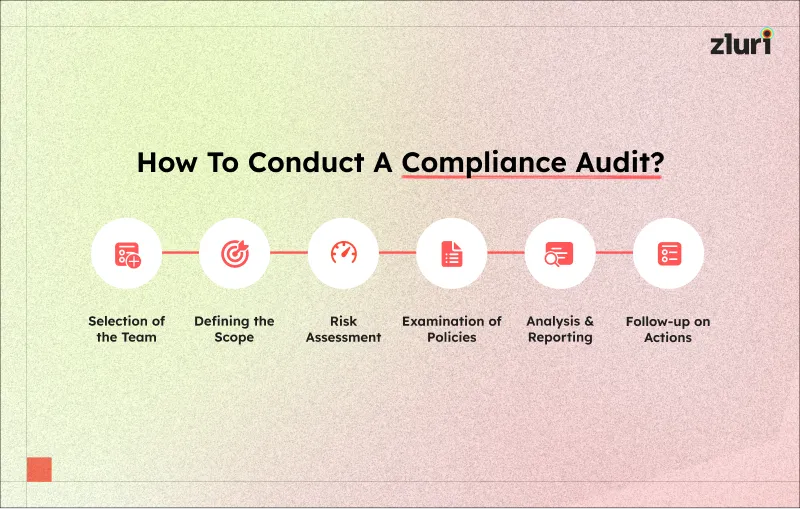
V. Compliance and Enforcement Mechanisms


4
1. Regulatory Oversight
- IRDAI conducts:
- Inspections
- Audits
- Licensing controls
2. Penalties for Non-Compliance
- Cancellation of license
- Monetary penalties
- Management removal
3. Judicial Review
- Courts intervene in:
- Unfair claim rejection
- Regulatory disputes
- Policy interpretation
VI. Emerging Trends in Insurance Corporate Rules
- Digital insurance regulation (InsurTech)
- ESG (Environmental, Social, Governance) compliance
- Stronger consumer-centric governance
- Risk-based supervision by regulators
VII. Conclusion
Insurance company corporate rules are designed to ensure financial stability, transparency, and policyholder protection. Unlike ordinary corporations, insurers operate under heightened regulatory scrutiny due to their fiduciary obligations. Judicial decisions consistently reinforce the need for fairness, disclosure, and strict compliance, shaping a robust governance framework.
RELATED Blog



comments