


Insurance Coverage For Construction Risks.
Construction projects involve complex, high-value, and multi-party risks—including damage to property, injury to workers, design defects, and delays. Insurance coverage in construction is therefore structured through a combination of specialized policies and contractual risk allocation mechanisms.
1. Nature and Types of Construction Risks
Construction risks can broadly be classified as:
(a) Physical Risks
- Damage to works (fire, flood, collapse)
- Equipment and machinery breakdown
(b) Liability Risks
- Third-party injury or property damage
- Employer’s liability for workers
(c) Financial Risks
- Delay in completion
- Cost overruns
(d) Professional Risks
- Design errors and negligence
2. Key Insurance Policies in Construction
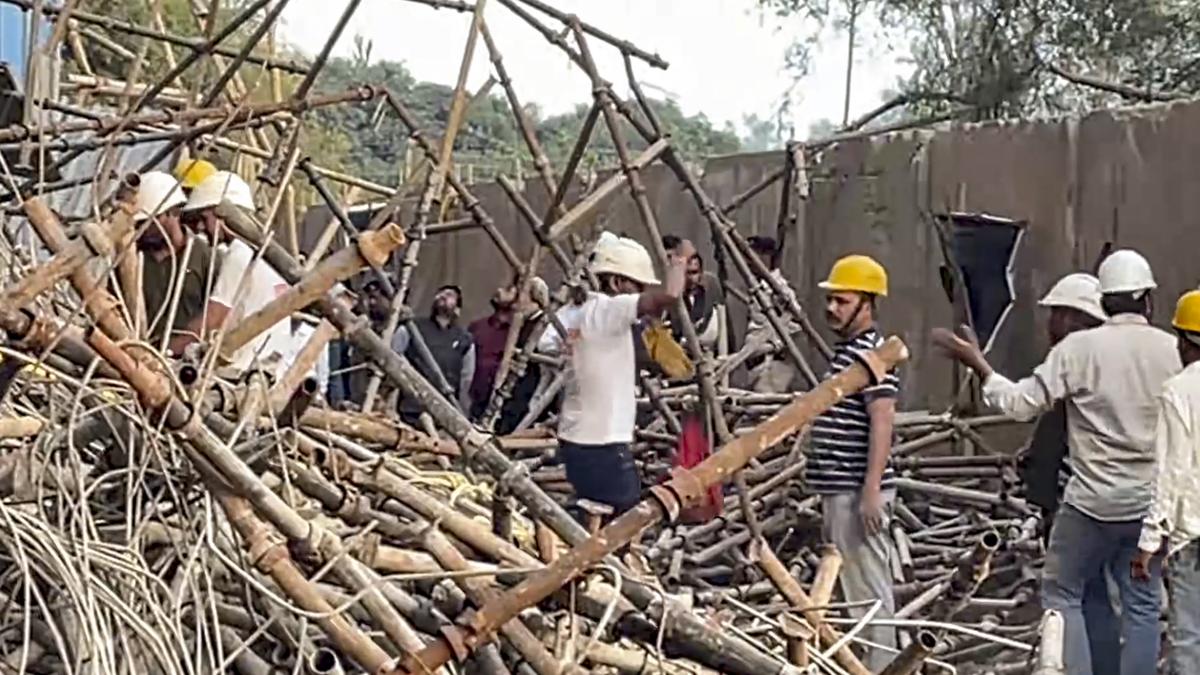
(i) Contractor’s All Risks (CAR) Insurance


4
Coverage:
- Physical loss or damage to construction works
- Third-party liability (often included)
Features:
- Covers accidental and unforeseen events
- Applies during construction phase
Case Laws:
- United India Insurance Co. Ltd v. Harchand Rai Chandan Lal (2004)
The Supreme Court held that insurance terms must be strictly construed, limiting coverage to policy wording. - Oriental Insurance Co. Ltd v. Sony Cheriyan (1999)
Reinforced that insurer liability depends strictly on contractual terms.
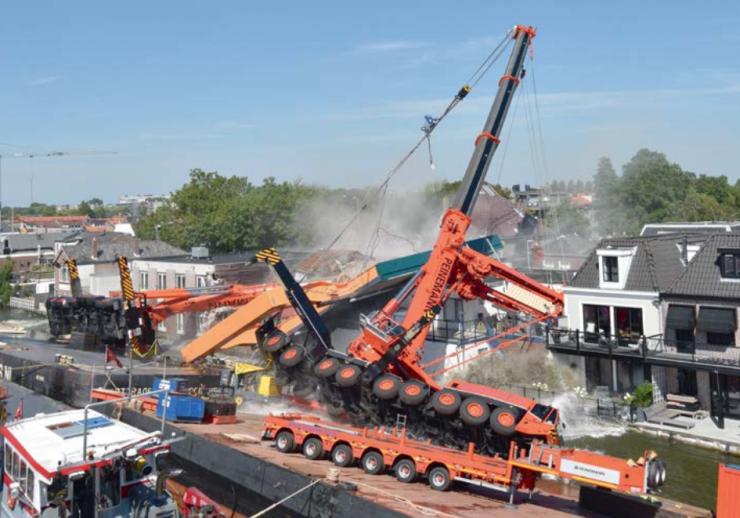
(ii) Erection All Risks (EAR) Insurance


4
Coverage:
- Installation of machinery and equipment
- Risks during testing and commissioning
Case Law:
- General Assurance Society Ltd. v. Chandmull Jain (1966)
Established that insurance contracts must be interpreted based on intention and policy terms, relevant to engineering risk policies.
(iii) Third-Party Liability Insurance


4
Coverage:
- Injury or death of third parties
- Damage to adjacent property
Case Laws:
- Rylands v. Fletcher (1868)
Established strict liability for hazardous activities, often invoked in construction-related claims. - Municipal Corporation of Delhi v. Subhagwanti (1966)
Applied strict liability for collapse of structures causing injury.
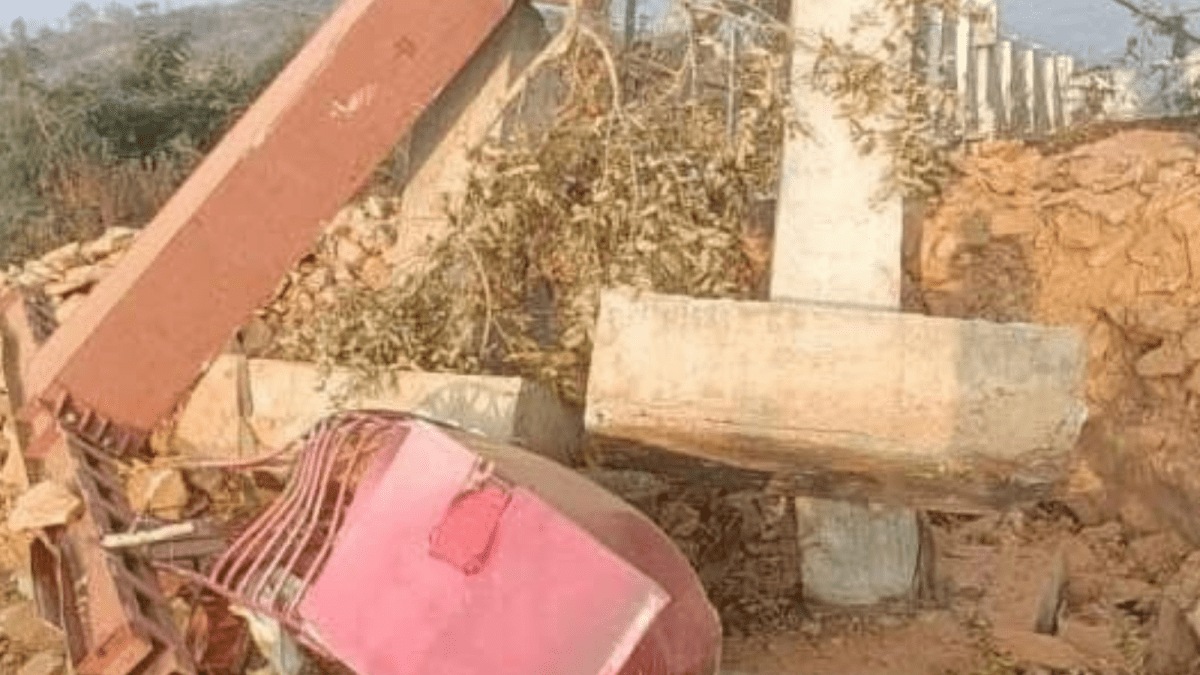
(iv) Professional Indemnity Insurance


4
Coverage:
- Negligence by architects, engineers, consultants
- Design errors leading to loss
Case Law:
- Bolam v. Friern Hospital Management Committee (1957)
Established standard of professional negligence, applied analogously to engineers and architects.
(v) Delay in Start-Up (DSU) / Advance Loss of Profit Insurance




4
Coverage:
- Financial losses due to project delays
- Loss of expected revenue
Case Law:
- Hadley v. Baxendale (1854)
Established principles of foreseeability of damages, relevant in delay-related claims.
3. Key Legal Principles Governing Construction Insurance
(a) Principle of Utmost Good Faith (Uberrimae Fidei)
- Parties must disclose all material facts
Case Law:
- Satwant Kaur Sandhu v. New India Assurance Co. Ltd (2009)
Non-disclosure of material facts can invalidate insurance claims.
(b) Indemnity Principle
- Insurance compensates actual loss, not profit
Case Law:
- Castellain v. Preston (1883)
Established the doctrine of indemnity.
(c) Subrogation Rights
- Insurer can recover from responsible third parties
Case Law:
- Economic Transport Organization v. Charan Spinning Mills (2010)
Clarified insurer’s right of subrogation.
(d) Proximate Cause Doctrine
- Determines the actual cause of loss
Case Law:
- Leyland Shipping Co. Ltd v. Norwich Union Fire Insurance Society Ltd (1918)
Established the concept of proximate cause in insurance claims.
4. Common Exclusions in Construction Insurance
Typical exclusions include:
- Wear and tear
- Faulty design (sometimes excluded in CAR)
- War and nuclear risks
- Intentional damage
- Contractual penalties
Courts consistently uphold exclusions when clearly stated.
5. Risk Allocation in Construction Contracts
Insurance works alongside contractual mechanisms:
Tools:
- Indemnity clauses
- Limitation of liability
- Joint insurance policies
- Waiver of subrogation clauses
Case Law:
- Co-operative Retail Services Ltd v. Taylor Young Partnership (2002)
Highlighted allocation of risk through contract and insurance interplay.
6. Claims Process and Dispute Resolution
Steps:
- Notification of loss
- Surveyor assessment
- Documentation
- Claim settlement or dispute
Disputes may arise over:
- Policy interpretation
- Quantum of loss
- Applicability of exclusions
Case Law:
- New India Assurance Co. Ltd v. Pradeep Kumar (2009)
Surveyor reports are important but not conclusive in claim settlement.
7. Emerging Trends in Construction Risk Insurance
Developments:
- Use of BIM (Building Information Modeling) for risk assessment
- Cyber risk coverage in construction projects
- Climate-related risk insurance
- Integrated project insurance (IPI)
Conclusion
Insurance coverage for construction risks is a multi-layered system combining:
- Specialized insurance policies (CAR, EAR, liability, indemnity)
- Legal doctrines (indemnity, good faith, proximate cause)
- Contractual risk allocation mechanisms
Judicial decisions emphasize:
- Strict interpretation of policy terms
- Full disclosure obligations
- Fair compensation based on actual loss
Thus, construction insurance plays a critical role in ensuring financial security, project continuity, and legal accountability in complex infrastructure and development projects.
RELATED Blog

comments