


Master Rights Governance
Master Rights Governance
Master rights governance refers to the legal, contractual, and commercial control over master recordings—the original sound recordings of music. These rights are typically owned by record labels, artists, or investors and determine how recordings are used, licensed, distributed, and monetized.
1. Nature of Master Rights



4
What are Master Rights?
Master rights relate to ownership and control of the actual sound recording, distinct from:
- Publishing rights (composition/lyrics)
- Performance rights
Governance Scope
- Licensing (films, ads, streaming)
- Distribution control
- Royalty allocation
- Derivative uses (remixes, sampling)
Core Challenge
Separation of rights leads to:
- Complex licensing structures
- Multi-party negotiations
2. Ownership Structures and Contractual Control
Challenge
Ownership may lie with:
- Record labels
- Independent artists
- Joint ventures or investors
Governance Issues
- Long-term contractual lock-ins
- Unequal bargaining power
- Rights reversion disputes
Key Case Laws
- Capitol Records Inc. v. Thomas-Rasset
Reinforced strong protection of master recordings against unauthorized distribution. - UMG Recordings Inc. v. Augusto
Addressed ownership and distribution rights, clarifying limits of promotional copies.
3. Licensing and Commercial Exploitation

4
Challenge
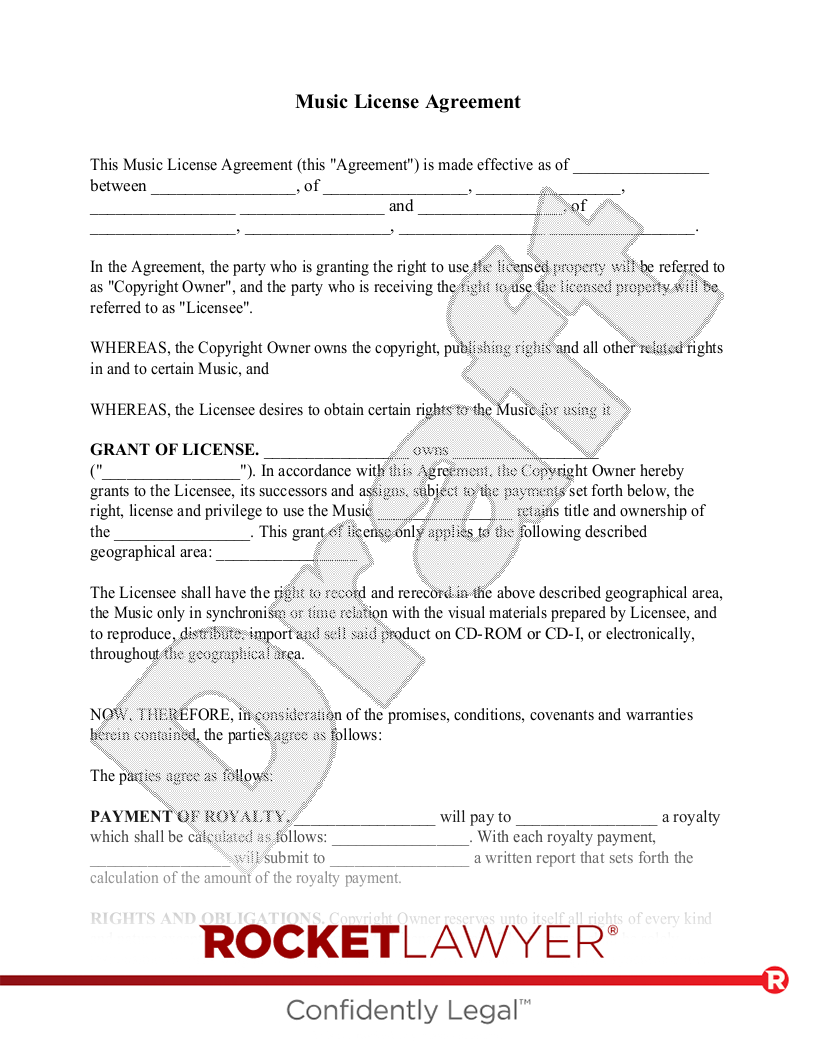
Master rights must be licensed for:
- Streaming platforms
- Films (sync licenses)
- Advertisements
- Public performances
Governance Issues
- Fragmented licensing regimes
- Revenue sharing disputes
- Territorial licensing conflicts
Key Case Laws
- F.B.T. Productions LLC v. Aftermath Records
Determined whether digital downloads constitute “sales” or “licenses,” impacting royalty rates. - Bridgeport Music Inc. v. Dimension Films
Established strict liability for unauthorized sampling of master recordings.
4. Digital Distribution and Streaming Governance
Challenge
Streaming has transformed how master rights are monetized.
Governance Issues
- Low per-stream payouts
- Data transparency concerns
- Platform dominance
Key Case Laws
- Flo & Eddie Inc. v. Sirius XM Radio Inc.
Addressed whether digital broadcasters must pay for pre-1972 sound recordings. - Capitol Records LLC v. ReDigi Inc.
Held that resale of digital music files infringes reproduction rights in master recordings.
5. Artist–Label Power Imbalance


4
Challenge
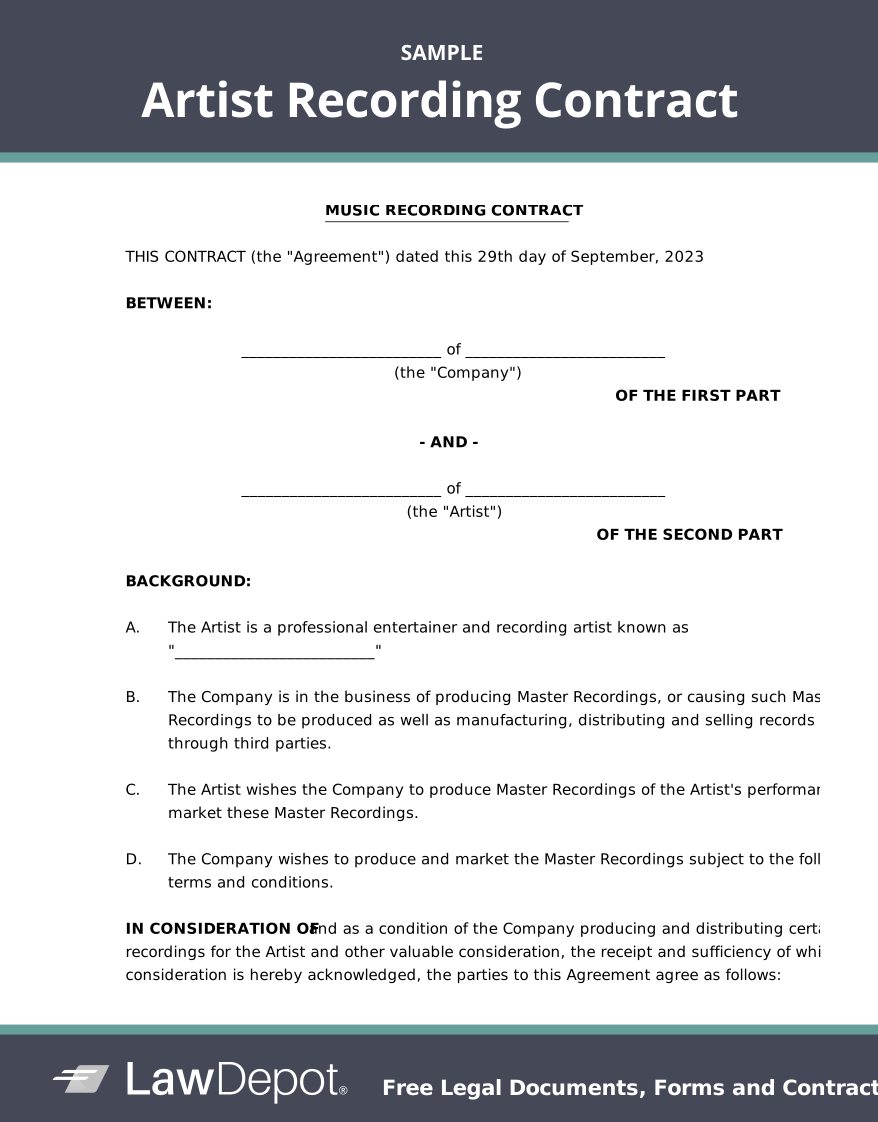
Record labels traditionally retain master ownership.
Governance Issues
- Artists receive limited royalties
- Lack of control over creative use
- Long-term exploitation rights
Key Case Laws
- A&M Records Inc. v. Napster Inc.
Highlighted how digital piracy affects master rights holders and industry control. - Sony Music Entertainment v. Tenenbaum
Reinforced enforcement against unauthorized distribution of masters.
6. Moral Rights and Attribution Issues
Challenge
In some jurisdictions, artists retain moral rights even if masters are owned by labels.
Governance Issues
- Right of attribution
- Right against distortion
- Conflicts with commercial exploitation
Key Case Laws
- Gilliam v. American Broadcasting Companies Inc.
Recognized protection against unauthorized alteration of creative works.
7. Termination and Reversion Rights
Challenge
Artists may reclaim master rights after a statutory period (e.g., U.S. copyright law).
Governance Issues
- Disputes over eligibility
- Label resistance
- Complex notice requirements
Key Case Laws
- Scorpio Music S.A. v. Willis
Addressed termination rights and reclaiming ownership interests.
8. Sampling, Remixing, and Derivative Works



4
Challenge
Modern music heavily relies on sampling and remixing.
Governance Issues
- Clearance requirements
- Licensing costs
- Litigation risks
Key Case Laws
- Grand Upright Music Ltd. v. Warner Bros. Records Inc.
Established strict rules requiring permission before sampling.
9. Cross-Border Rights and Global Exploitation
Challenge
Music is distributed globally, but rights are territorial.
Governance Issues
- Different copyright regimes
- Enforcement inconsistencies
- Royalty collection complexities
Key Case Laws
- EMI Records Ltd. v. British Sky Broadcasting Ltd.
Addressed licensing and broadcasting rights in a cross-border context.
10. Governance in the Era of Catalog Acquisitions
Challenge
Private equity and companies are increasingly buying master catalogs.
Governance Issues
- Financialization of music rights
- Artist control vs investor returns
- Long-term exploitation strategies
Example Context
Large catalog acquisitions raise governance concerns regarding:
- Ethical use of music
- Licensing decisions without artist consent
Conclusion
Master rights governance sits at the intersection of copyright law, contract law, and commercial strategy. The key governance challenges include:
- Ownership concentration vs artist rights
- Licensing complexity in a digital ecosystem
- Fair compensation and transparency
- Enforcement against unauthorized use
- Balancing artistic integrity with commercial exploitation
As streaming, AI-generated music, and catalog acquisitions evolve, governance frameworks must adapt to ensure fairness, accountability, and sustainable monetization.
RELATED Blog

comments