



Master Trust Pension Compliance
Master Trust Pension Compliance

4
Master trust pension schemes are occupational pension arrangements where multiple, unrelated employers participate under a single trust structure. They are widely used for defined contribution (DC) pensions, especially for auto-enrolment regimes. Because they pool assets and governance, regulators impose strict compliance frameworks to protect members.
1. What is a Master Trust?
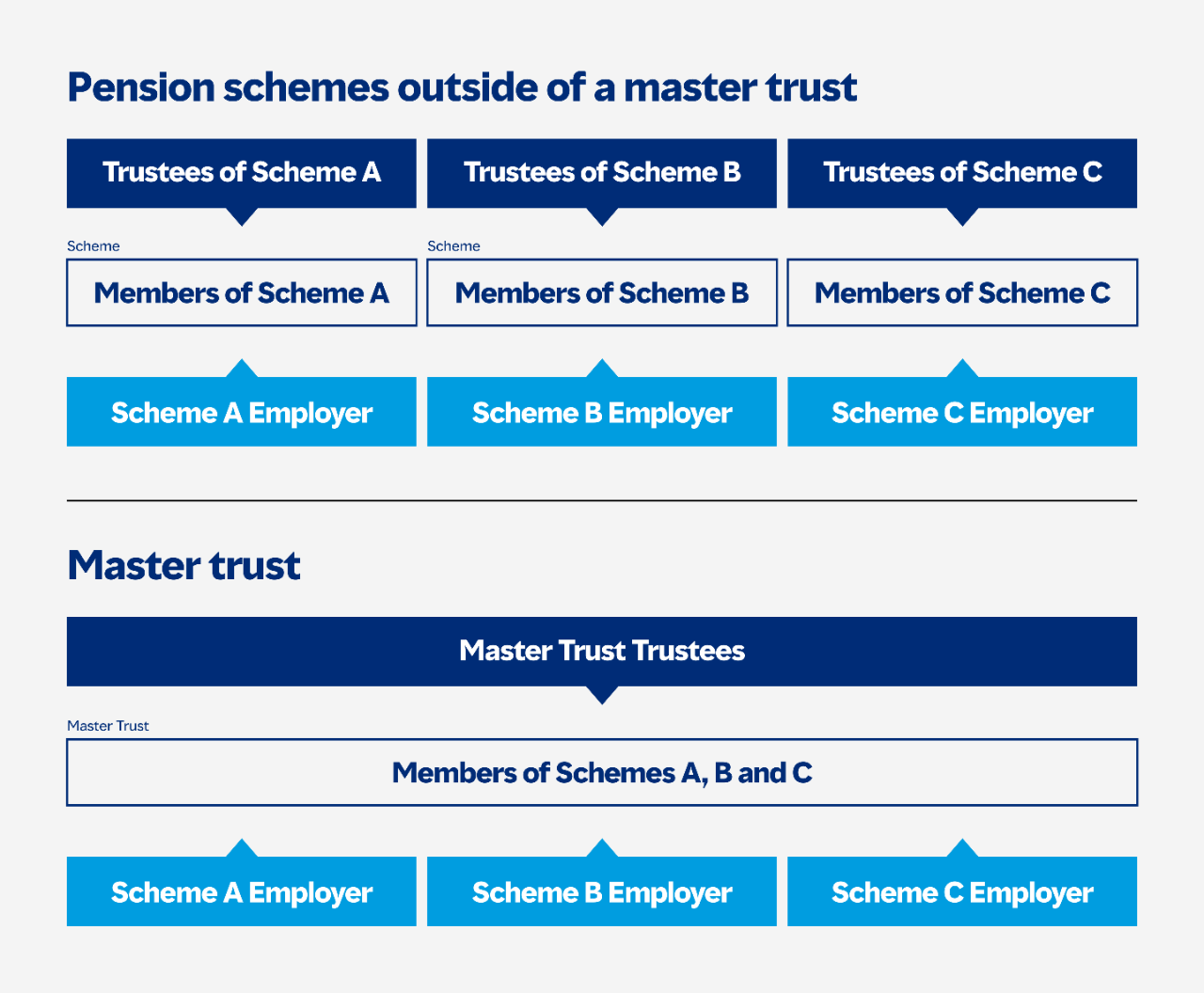
A master trust is a multi-employer pension scheme:
- Established under a single trust deed
- Managed by trustees who act in members’ best interests
- Operated by a scheme funder/provider
- Used by numerous employers who are not related
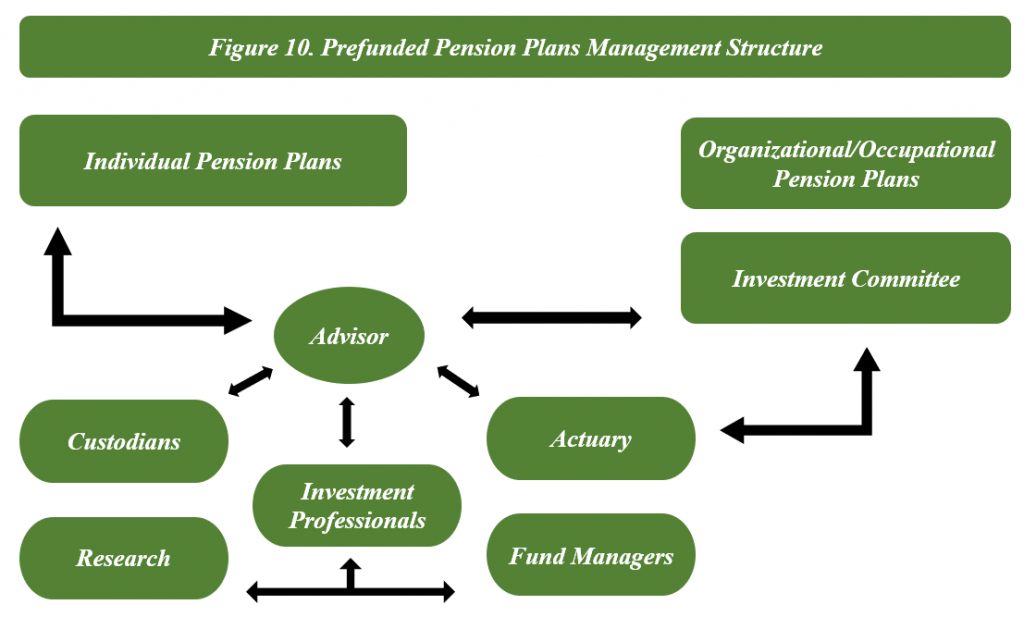
Key Participants:
- Trustees
- Scheme funder
- Participating employers
- Members (employees)
2. Regulatory Framework (Global Overview)
United Kingdom
- Governed by the Pension Schemes Act 2017
- Supervised by The Pensions Regulator
- Requires authorization and ongoing supervision
European Union
- IORP II Directive (Institutions for Occupational Retirement Provision)
India
- Regulated under Pension Fund Regulatory and Development Authority (PFRDA)
- National Pension System (NPS) structures resemble pooled pension frameworks
3. Core Compliance Requirements
3.1 Authorization & Licensing
Master trusts must demonstrate:
- Financial sustainability
- Fit and proper persons managing the scheme
- Adequate systems and processes
Failure leads to regulatory intervention or winding-up.
3.2 Trustee Duties & Governance
Trustees must:
- Act in fiduciary capacity
- Avoid conflicts of interest
- Ensure proper investment decisions
- Maintain transparency with members
3.3 Financial Sustainability
- Scheme funder must have sufficient capital
- Contingency plans for financial failure
- Protection of member funds
3.4 Administration & Record-Keeping
- Accurate member records
- Timely contributions processing
- Data protection compliance
3.5 Investment Governance
- Diversified investment strategy
- Risk management systems
- ESG considerations (in some jurisdictions)
3.6 Continuity Strategy
- Plans for:
- Scheme failure
- Transfer of members
- Wind-up procedures
3.7 Member Communication
- Clear disclosure of:
- Fees
- Investment risks
- Benefits
4. Key Compliance Risks
- Mismanagement of pooled assets
- Conflicts between scheme funder and trustees
- Inadequate capitalization
- Data breaches and record errors
- Failure to meet regulatory authorization standards
5. Enforcement Mechanisms
Regulators may:
- Issue fines or penalties
- Remove trustees
- Withdraw authorization
- Force scheme wind-up
- Initiate criminal proceedings (in severe cases)
6. Leading Case Laws (At Least 6)
6.1 Imperial Group Pension Trust Ltd v. Imperial Tobacco Ltd (1991, UK)
- Established limits on employer interference
- Reinforced trustee independence in pension schemes
6.2 Edge v. Pensions Ombudsman (1999, UK)
- Clarified trustees’ discretionary powers
- Emphasized acting in members’ best interests
6.3 Cowan v. Scargill (1985, UK)
- Landmark ruling on investment duties
- Trustees must prioritize financial interests of beneficiaries over personal views
6.4 Hughes v. Royal London Mutual Insurance Society Ltd (2016, UK)
- Addressed fairness and communication in pension administration
- Highlighted importance of transparency
6.5 Re National Grid Co plc (2001, UK)
- Concerned surplus distribution in pension schemes
- Demonstrated fiduciary obligations in fund management
6.6 IBM United Kingdom Holdings Ltd v. Dalgleish (2017, UK)
- Examined employer obligations and member expectations
- Introduced the concept of “reasonable expectations” in pension changes
6.7 Arcadia Group Pension Trust Ltd v. Smith (2014, UK)
- Focused on trustee decision-making and conflicts of interest
- Reinforced governance standards
7. Best Practices for Corporate Compliance
7.1 Governance Framework
- Independent trustee boards
- Clear separation from scheme funder
7.2 Risk Management
- Regular compliance audits
- Stress testing financial sustainability
7.3 Technology & Data
- Secure digital record systems
- Automated contribution tracking
7.4 Transparency
- Regular member reporting
- Clear disclosure of fees and risks
7.5 Regulatory Engagement
- Proactive communication with regulators
- Early reporting of issues
8. Comparative Perspective
| Aspect | Master Trust | Single Employer Scheme |
|---|---|---|
| Employers | Multiple | One |
| Governance | Centralized trustees | Employer-linked |
| Risk | Shared | Employer-specific |
| Regulation | Stricter | Moderate |
9. Conclusion
Master trust pension compliance is a highly regulated area due to the scale and systemic importance of pooled retirement savings. Effective compliance ensures:
- Protection of member assets
- Stability of pension systems
- Trust in long-term retirement planning
For corporates, participation in master trusts requires careful due diligence, governance oversight, and regulatory alignment to avoid significant legal and financial exposure.
RELATED Blog

comments