



Matrix Management Legal Implications.
Matrix Management — Legal Implications
1. What is Matrix Management?
4
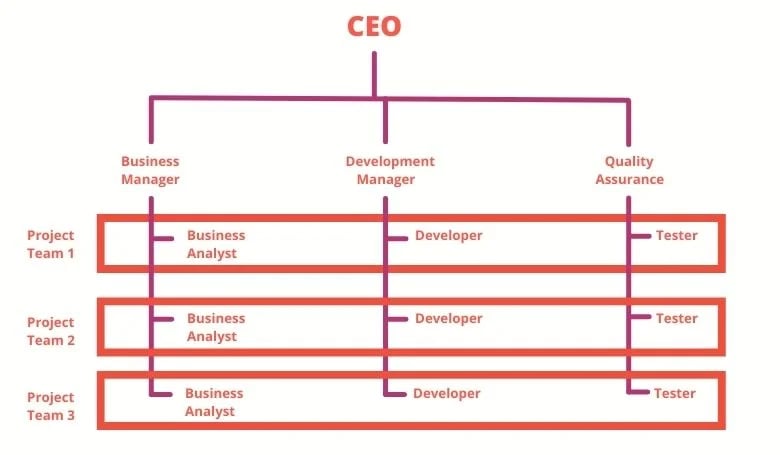
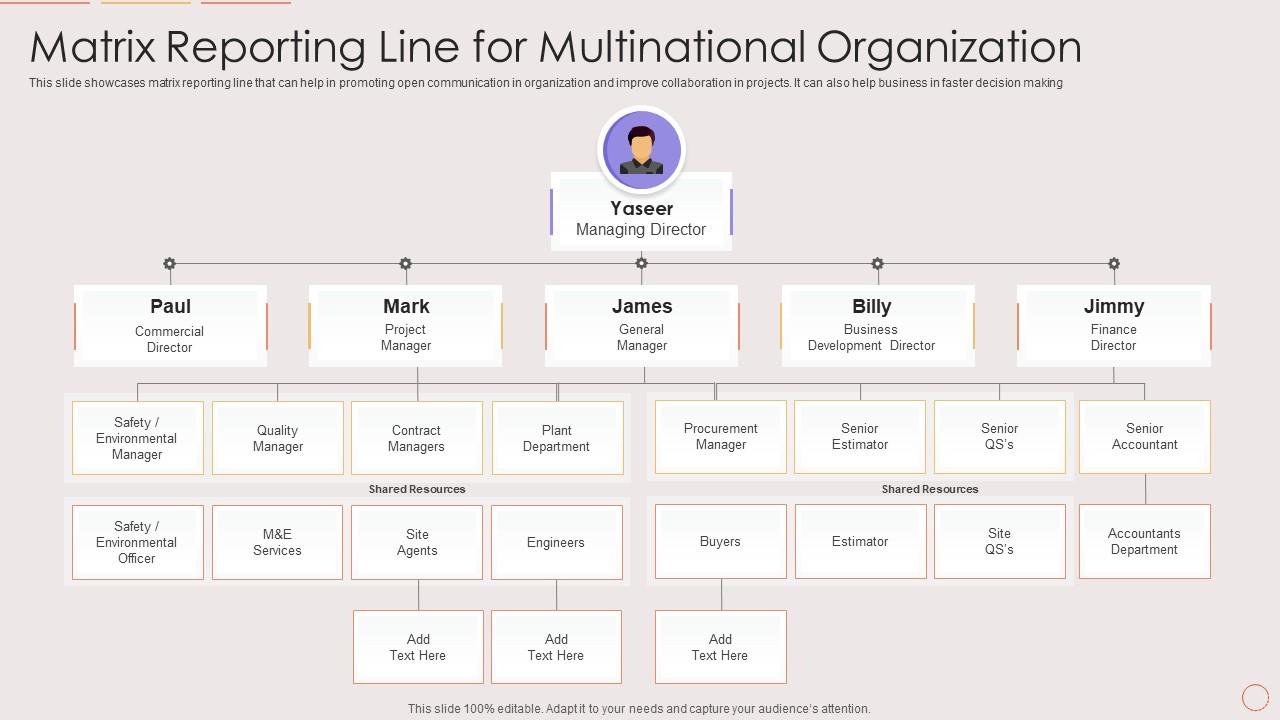
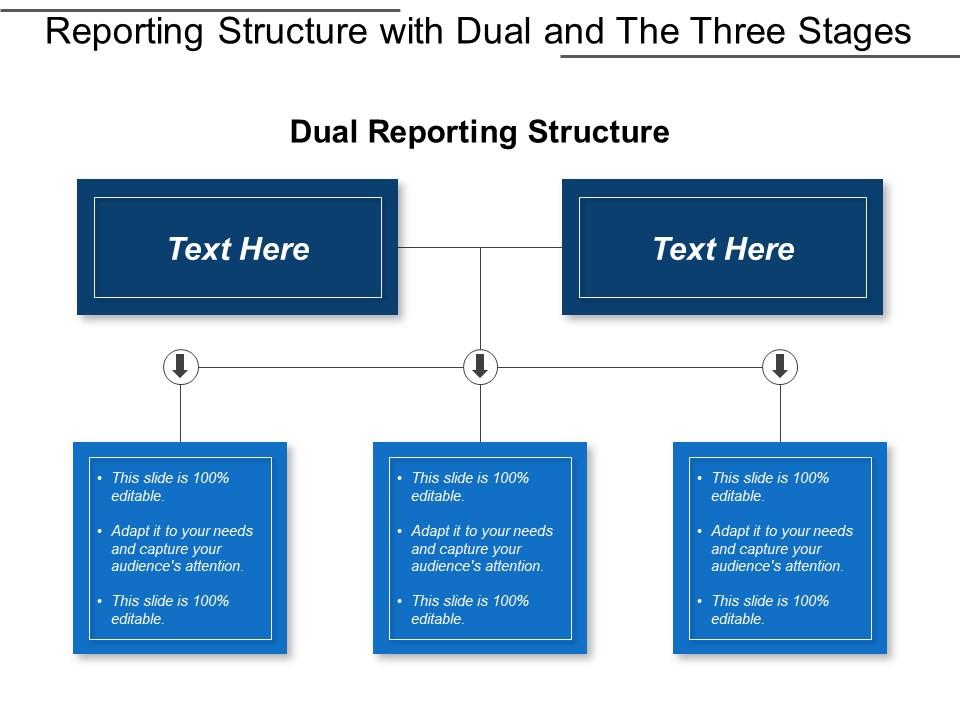
Matrix management is an organizational structure where employees report to two or more managers simultaneously, typically:
- A functional manager (e.g., HR, Finance, Engineering), and
- A project/product manager
This dual-reporting system enhances flexibility but creates legal complexities across employment, corporate governance, and liability domains.
2. Core Legal Issues in Matrix Management
(a) Employer Identification and Liability
- Who is the “real employer” when multiple managers control the employee?
- Relevant in:
- Employment disputes
- Wrongful termination claims
- Workplace harassment liability
👉 Courts examine degree of control, supervision, and economic dependence.
(b) Vicarious Liability
- Multiple managers may expose the organization to liability for:
- Acts of employees
- Misconduct under different supervisory chains
👉 Raises questions of shared or overlapping liability.
(c) Employment Law Conflicts
- Conflicting instructions from multiple managers may lead to:
- Constructive dismissal claims
- Unfair disciplinary action
(d) Duty of Care and Workplace Safety
- Overlapping authority may dilute responsibility for:
- Health and safety compliance
- Risk supervision
(e) Discrimination and Harassment Claims
- Multiple reporting lines complicate:
- Identification of responsible supervisors
- Internal grievance redressal
(f) Corporate Governance and Accountability
- Diffusion of authority can:
- Obscure decision-making responsibility
- Complicate fiduciary obligations of managers
3. Key Legal Doctrines Applied
(i) Control Test
Who exercises actual control over the employee?
(ii) Economic Reality Test
Who bears financial responsibility and benefits from the work?
(iii) Integrated Enterprise Doctrine
Whether multiple entities or divisions function as a single employer.
(iv) Agency Principles
Managers act as agents—liability attaches to the principal (company).
4. Leading Case Laws
1. Clackamas Gastroenterology Associates, P.C. v. Wells
- Facts: Determining whether physician-shareholders were employees.
- Held: Applied control-based test.
- Relevance: Clarifies how courts identify employer–employee relationships in complex structures like matrix systems.
2. Nationwide Mutual Insurance Co. v. Darden
- Facts: Whether an insurance agent was an employee.
- Held: Adopted common-law agency test focusing on control.
- Relevance: Key for determining employment status under matrix supervision.
3. Browning-Ferris Industries of California, Inc. v. NLRB
- Facts: Joint employer liability in labor relations.
- Held: Indirect control can establish joint employment.
- Relevance: Matrix structures often trigger joint employer liability.
4. Vance v. Ball State University
- Facts: Definition of “supervisor” in harassment claims.
- Held: Supervisor must have authority to take tangible employment actions.
- Relevance: Important in matrix systems with multiple supervisors.
5. Faragher v. City of Boca Raton
- Facts: Employer liability for supervisory harassment.
- Held: Employers vicariously liable for supervisors’ actions.
- Relevance: Multiple supervisors increase exposure in matrix organizations.
6. Chambers v. Trettco, Inc.
- Facts: Harassment liability and employer responsibility.
- Held: Employer liable if it knew or should have known.
- Relevance: Knowledge attribution is complex in matrix reporting systems.
7. McDonnell Douglas Corp. v. Green
- Facts: Employment discrimination framework.
- Held: Established burden-shifting test.
- Relevance: Used in discrimination claims arising from conflicting managerial decisions.
5. Risk Areas in Matrix Organizations
(a) Conflicting Instructions
- Employee caught between managers → legal disputes over performance.
(b) Ambiguous Authority
- Difficult to determine who:
- Can terminate
- Can discipline
- Is accountable for compliance
(c) Documentation Gaps
- Lack of clarity in reporting lines weakens employer defenses.
6. Compliance and Governance Strategies
Organizations mitigate legal risks by:
(i) Clear Reporting Structures
- Written definition of:
- Primary vs secondary manager
- Decision-making authority
(ii) Defined Accountability Framework
- Assign responsibility for:
- Performance reviews
- Disciplinary actions
(iii) Robust HR Policies
- Anti-harassment
- Escalation mechanisms
- Conflict resolution channels
(iv) Training and Communication
- Managers trained on:
- Legal responsibilities
- Coordination protocols
7. Indian Legal Perspective
While Indian law does not explicitly regulate matrix structures, principles under:
- Industrial Disputes Act, 1947
- Shops and Establishments Acts
focus on:
- Employer control
- Termination legality
- Workplace fairness
Indian courts similarly emphasize substance over form in determining employment relationships.
8. Advantages vs Legal Risks
| Advantages | Legal Risks |
|---|---|
| Flexibility | Ambiguous liability |
| Cross-functional collaboration | Conflicting authority |
| Efficient resource allocation | Increased litigation risk |
| Innovation | Compliance complexity |
9. Conclusion
Matrix management creates operational efficiency but legal ambiguity. The core legal challenge lies in:
- Identifying who controls and supervises
- Allocating liability and accountability
- Managing overlapping authority structures
Courts consistently apply control, supervision, and economic reality tests to resolve disputes. Organizations must proactively structure governance frameworks to avoid liability exposure.
RELATED Blog

comments