



Maturity Models For Governance
Maturity Models for Governance

4
Maturity models for governance are structured frameworks used by organizations to assess, benchmark, and improve their governance systems over time. They help corporates evaluate how effectively they manage compliance, risk, decision-making, accountability, and internal controls, and guide progression from basic compliance to optimized governance excellence.
1. Meaning of Governance Maturity Models
A governance maturity model:
- Defines levels (stages) of governance capability
- Provides criteria for assessment
- Offers a roadmap for improvement
It is widely applied in:
- Corporate governance
- IT governance
- Risk and compliance (GRC)
- ESG governance
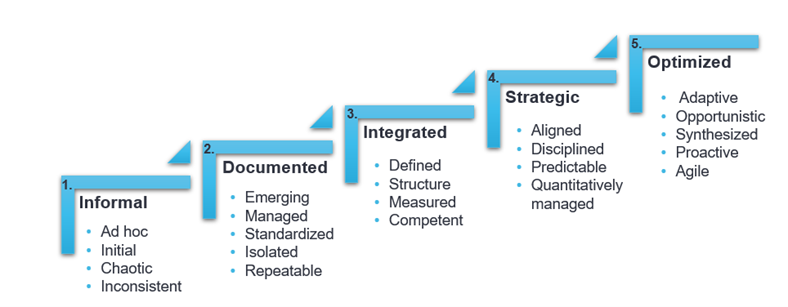
2. Typical Maturity Levels
Most governance maturity models follow a 4–5 stage structure:
Level 1: Initial (Ad Hoc)
- Informal processes
- Reactive compliance
- Lack of documentation
Level 2: Developing (Repeatable)
- Basic policies introduced
- Some consistency in processes
Level 3: Defined
- Standardized governance frameworks
- Clear roles and responsibilities
Level 4: Managed
- Metrics and monitoring systems
- Risk-based decision-making
Level 5: Optimized
- Continuous improvement
- Integrated governance with strategy
- Advanced analytics and automation
3. Key Governance Domains Assessed
3.1 Board Governance
- Independence and effectiveness
- Oversight mechanisms
3.2 Risk Management
- Identification and mitigation of risks
- Enterprise risk management (ERM) frameworks
3.3 Compliance Systems
- Regulatory adherence
- Internal controls
3.4 Internal Audit
- Monitoring and assurance functions
3.5 ESG Governance
- Sustainability oversight
- Stakeholder engagement
4. Popular Governance Maturity Frameworks
4.1 COSO Framework
- Focus on internal controls and risk management
4.2 COBIT (IT Governance)
- Developed by ISACA
- Widely used for IT governance maturity
4.3 ISO Standards
- International Organization for Standardization
- Provide structured governance benchmarks
4.4 OECD Corporate Governance Principles
- Global best practices for governance
5. Benefits of Governance Maturity Models
- Benchmarking against best practices
- Identifying governance gaps
- Enhancing regulatory compliance
- Improving investor confidence
- Supporting strategic decision-making
6. Challenges in Implementation
- Subjectivity in assessment
- Resistance to organizational change
- Cost of implementation
- Integration across departments
- Keeping pace with evolving regulations
7. Leading Case Laws (At Least 6)
7.1 Smith v. Van Gorkom (1985, U.S.)
- Landmark case on board decision-making
- Established liability for inadequate governance processes
- Highlighted need for structured governance maturity
7.2 In re Caremark International Inc. Derivative Litigation (1996)
- Established duty of directors to implement compliance systems
- Foundation for governance and compliance maturity
7.3 Stone v. Ritter (2006)
- Clarified oversight liability under Caremark principles
- Reinforced importance of monitoring systems
7.4 Salomon v. Salomon & Co Ltd (1897, UK)
- Established separate legal personality
- Basis for corporate governance structures
7.5 Satyam Computer Services Scandal Cases (India)
- Involving Satyam Computer Services
- Governance failure due to lack of oversight
- Demonstrated need for advanced governance maturity
7.6 SEC v. WorldCom, Inc. (U.S.)
- Involving WorldCom
- Massive accounting fraud
- Highlighted deficiencies in governance and internal controls
7.7 Enron Corp. Scandal Litigation (U.S.)
- Involving Enron
- Collapse due to governance failures
- Led to regulatory reforms (e.g., Sarbanes-Oxley Act)
8. Governance Maturity Assessment Process
Step 1: Define Framework
- Select model (COSO, COBIT, etc.)
Step 2: Evaluate Current State
- Assess policies, controls, and practices
Step 3: Gap Analysis
- Identify weaknesses
Step 4: Roadmap Development
- Plan improvements
Step 5: Continuous Monitoring
- Track progress and refine systems
9. Best Practices for Corporates
9.1 Leadership Commitment
- Board and senior management involvement
9.2 Integrated Governance Approach
- Align risk, compliance, and strategy
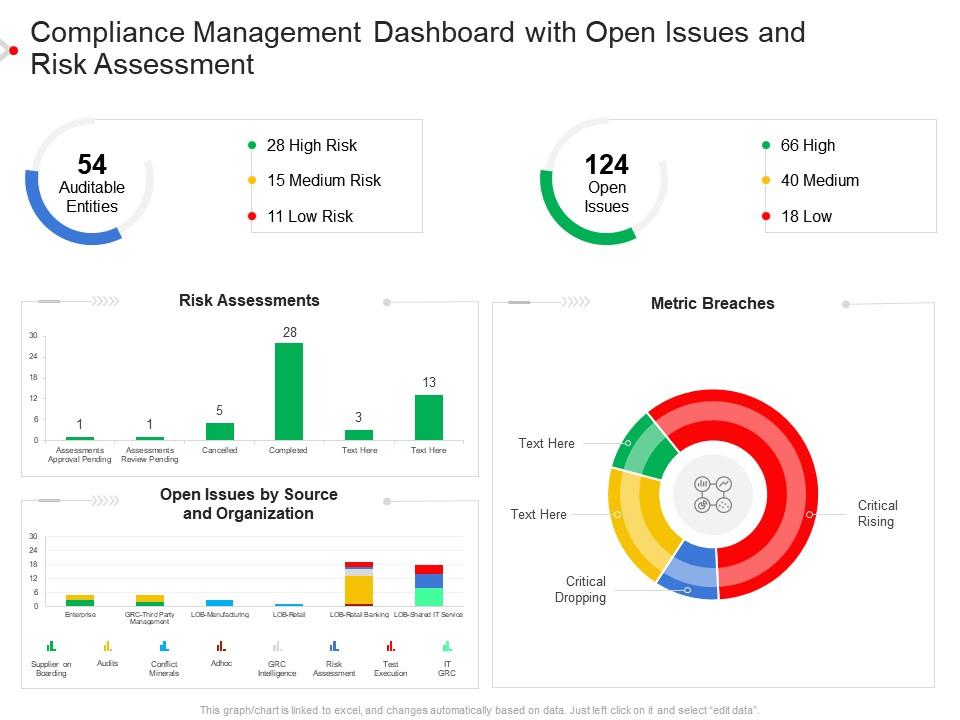
9.3 Data-Driven Decision Making
- Use metrics and dashboards
9.4 Regular Audits
- Independent evaluations
9.5 Continuous Improvement
- Update frameworks based on evolving risks
10. Conclusion
Governance maturity models provide a systematic pathway for organizations to evolve from basic compliance to strategic excellence. They enable corporates to:
- Strengthen accountability
- Enhance transparency
- Reduce legal and regulatory risks
Case law consistently demonstrates that failures in governance maturity lead to severe legal consequences, while robust governance frameworks support long-term sustainability and stakeholder trust.
RELATED Blog



comments