



Motor vehicle Laws Mali
1. Driver’s License
Age Requirement: The minimum age for obtaining a driver’s license is 18 years.
Categories of License: Mali issues different categories of driving licenses based on the type of vehicle. These typically include licenses for motorcycles, cars, trucks, and buses.
Validity and Renewal: A driver’s license is generally valid for 5 years, and it must be renewed. Renewal requires a medical check-up and payment of a fee.
International License: If you're a foreigner visiting Mali and wish to drive, you may need an International Driver’s Permit (IDP) in addition to your home country’s license.
2. Vehicle Registration
Mandatory Registration: All vehicles in Mali must be registered with the local authorities. This includes paying registration fees and obtaining number plates.
Inspection: Vehicles must undergo regular safety inspections, which check the mechanical condition of the vehicle to ensure it meets safety and emissions standards.
3. Traffic Signs and Signals
Road Signs: Like many countries, Mali follows the International Road Sign system. Drivers must be familiar with different types of signs, including warning, informational, and regulatory signs.
Traffic Lights: Traffic lights function similarly to other countries, with red meaning stop, green meaning go, and yellow meaning caution or prepare to stop.
4. Speed Limits
Urban Areas: The speed limit in cities and towns is usually around 50 km/h (31 mph), but this can vary depending on the area.
Rural Areas and Highways: The speed limit on highways and rural roads is typically set at around 90 km/h (56 mph), but again, this can vary. Drivers should always be alert to posted speed limits.
5. Seat Belts and Safety
Seat Belts: The use of seat belts is mandatory for both drivers and passengers in the front seats. In some cases, the use of seat belts is also required for rear-seat passengers.
Helmets: Motorcyclists must wear helmets, and it is a law that applies to both riders and passengers.
6. Alcohol and Drug Use
Blood Alcohol Limit: The permissible blood alcohol concentration (BAC) limit in Mali is 0.05% for drivers. Driving under the influence of alcohol or drugs is strictly prohibited, and penalties for violations can include fines, license suspension, or imprisonment.
7. Mobile Phones
Use of Mobile Phones: The use of mobile phones while driving is generally prohibited unless a hands-free system is used.
8. Parking and Road Rules
Parking Regulations: Parking rules must be followed, and vehicles should only be parked in designated areas. Illegally parked cars can be fined or towed.
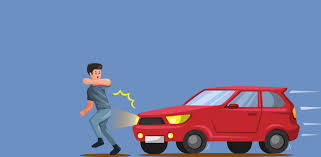
Pedestrian Crossings: Drivers are required to yield to pedestrians at marked crossings.
Roundabouts: In roundabouts, vehicles inside the roundabout have the right of way.
9. Penalties and Enforcement
Fines and Citations: The traffic police in Mali enforce traffic laws. Violations such as speeding, illegal parking, or driving without a license can lead to fines or the confiscation of the vehicle.
Roadblocks: The police often set up roadblocks to check for compliance with traffic laws. This can include checking for proper documentation (driver’s license, registration, insurance) and inspecting vehicles for mechanical safety.
10. Insurance
Mandatory Insurance: In Mali, it is mandatory to have at least third-party insurance for vehicles. This covers damages caused to other vehicles or individuals in the event of an accident. Drivers without insurance can face penalties or fines.
11. Public Transport
Taxis and Buses: Public transport in Mali includes taxis, minibuses, and buses. These vehicles must adhere to specific regulations, such as having proper licensing and ensuring the safety of passengers.
Minibus Transport: Minibuses are common in urban areas, and they operate on fixed routes. However, overcrowding and reckless driving can sometimes be an issue.
12. Environmental Considerations
Vehicle Emissions: There are growing concerns about vehicle emissions in Mali, particularly in major cities. Older vehicles, in particular, may be subject to stricter emissions checks to help reduce air pollution.
13. Road Safety Initiatives
Public Awareness: The Malian government has taken steps to raise awareness about road safety, including promoting seat belt use, safe driving habits, and caution around pedestrians.
International Collaboration: Mali works with international organizations and neighboring countries to improve road safety and transport infrastructure.
Common Offenses and Penalties
Speeding: Fines, points on the license, or temporary suspension.
Driving without a license: Penalties include fines, vehicle impoundment, or imprisonment.
Driving under the influence: Fines, license suspension, or arrest.
Reckless driving: Fines or imprisonment, depending on the severity of the offense.
Summary
In summary, while traffic laws in Mali are not vastly different from those in many other African nations, enforcement and adherence to the rules may vary depending on the region and local authorities. Driving in Mali requires caution due to sometimes poor road conditions, especially in rural areas, and traffic law enforcement may be inconsistent. However, road safety continues to be a priority for the Malian government and local law enforcement.
RELATED Blog

comments