


Ofac Sanctions Compliance For U.S. Corporations.
OFAC Sanctions Compliance for U.S. Corporations:


4
1. Introduction
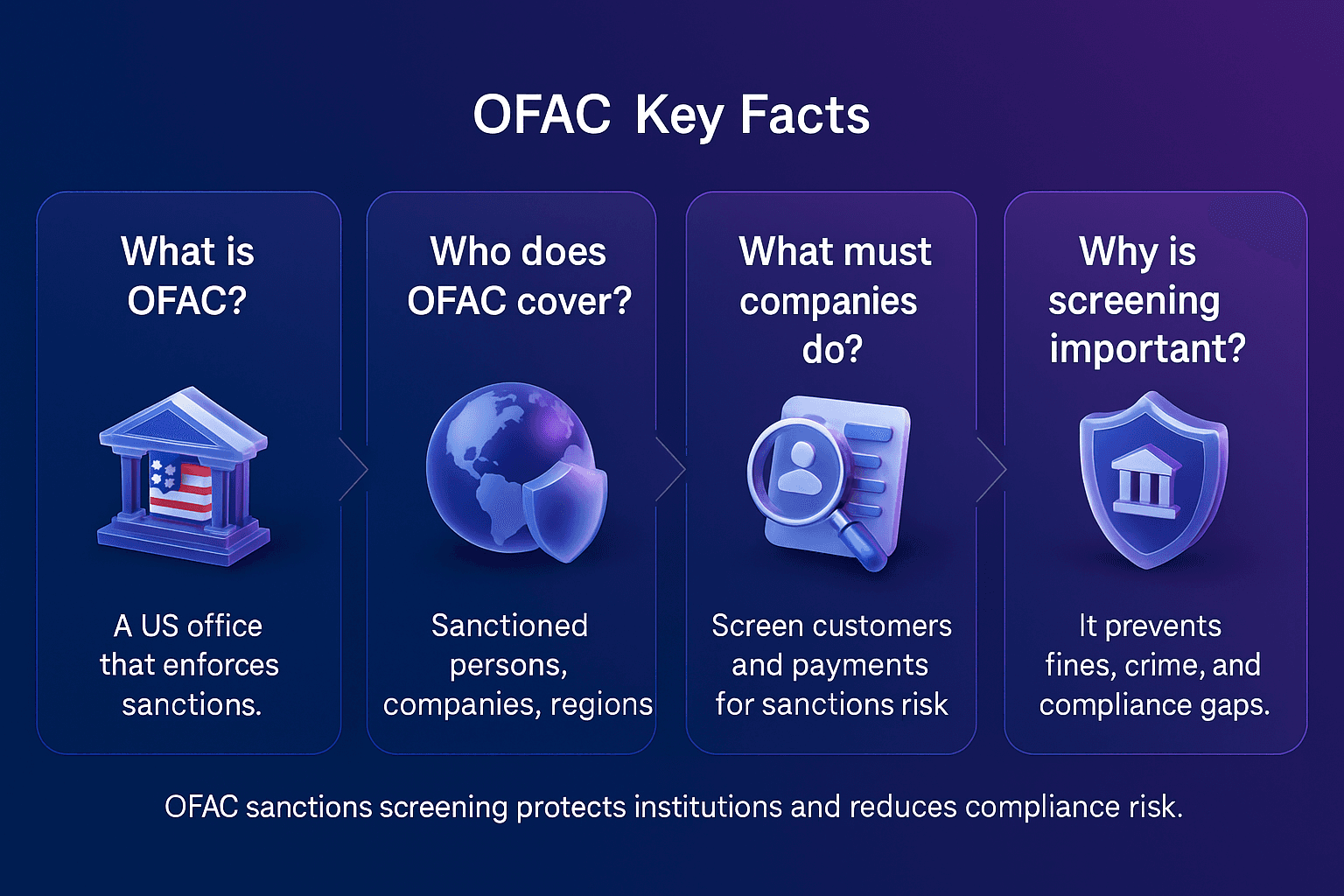
OFAC (Office of Foreign Assets Control) is a division of the U.S. Department of the Treasury responsible for administering and enforcing economic and trade sanctions based on U.S. foreign policy and national security goals.
OFAC sanctions compliance requires U.S. corporations—and in many cases foreign entities with U.S. nexus—to ensure that they do not engage in prohibited transactions with sanctioned countries, individuals, entities, or sectors.
2. Objectives of OFAC Sanctions
(1) National Security Protection
Prevent financial flows to hostile states, terrorists, and proliferators.
(2) Foreign Policy Enforcement
Use economic pressure instead of military intervention.
(3) Prevention of Financial Crimes
Combat money laundering, terrorism financing, and proliferation financing.
(4) Global Regulatory Influence
Extend U.S. regulatory reach through extraterritorial application.
3. Key Legal Framework
- International Emergency Economic Powers Act (IEEPA), 1977
- Trading with the Enemy Act (TWEA), 1917
- USA PATRIOT Act, 2001
- Executive Orders issued by the U.S. President
4. Core Compliance Requirements
(a) Sanctions Screening
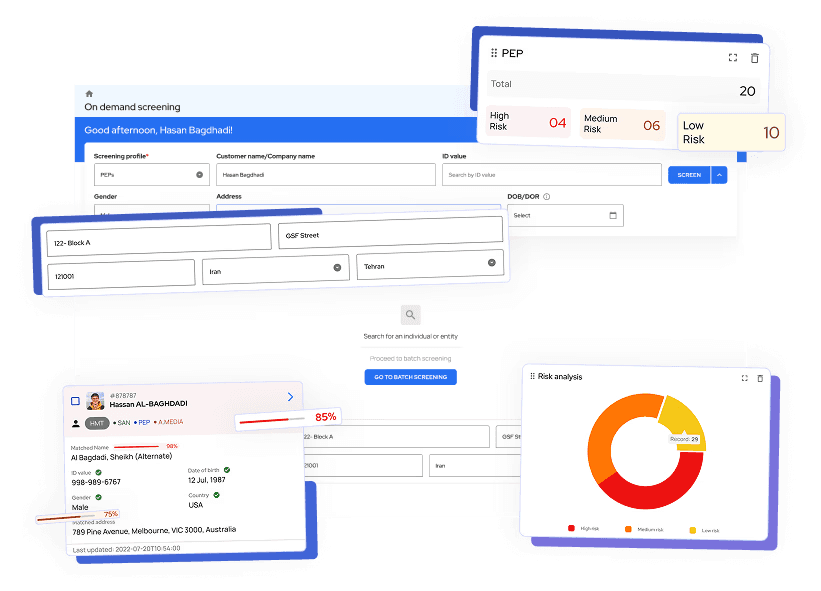
- Screening customers, vendors, and transactions against OFAC lists
- Especially the Specially Designated Nationals (SDN) List
(b) Blocking and Rejecting Transactions
- Blocking: Freezing assets of sanctioned parties
- Rejecting: Refusing prohibited transactions without asset freeze
(c) Reporting Obligations
- Mandatory reporting of blocked/rejected transactions to OFAC
- Annual reporting requirements
(d) Internal Compliance Programs
OFAC recommends a risk-based compliance framework including:
- Management commitment
- Risk assessment
- Internal controls
- Testing and auditing
- Employee training
(e) Due Diligence and Know Your Customer (KYC)
- Identification of beneficial ownership
- Monitoring high-risk jurisdictions
5. Types of Sanctions
- Comprehensive sanctions (e.g., Iran, North Korea)
- Targeted sanctions (individuals/entities)
- Sectoral sanctions (energy, finance sectors)
- Secondary sanctions (affecting non-U.S. entities)
6. Enforcement Mechanisms
- Civil monetary penalties (often millions or billions of dollars)
- Criminal liability (for willful violations)
- Asset seizures and forfeiture
- Reputational damage and loss of licenses
OFAC applies a strict liability standard—intent is not always required.
7. Important Case Laws / Enforcement Actions
1. United States v. BNP Paribas S.A. (2014)
- Issue: Processing transactions for sanctioned countries (Sudan, Iran, Cuba)
- Outcome: $8.9 billion penalty
- Significance: Demonstrated severe penalties for sanctions violations
2. United States v. ZTE Corporation (2017)
- Issue: Exporting U.S. goods to Iran and North Korea
- Outcome: Over $1 billion in penalties and compliance monitoring
- Significance: Highlighted extraterritorial reach of OFAC laws
3. United States v. Huawei Technologies Co. Ltd. (ongoing proceedings)
- Issue: Alleged sanctions evasion and bank fraud
- Significance: Shows intersection of sanctions and criminal law
4. OFAC v. Exxon Mobil Corporation (2017, U.S. District Court)
- Issue: Dealings with a sanctioned Russian official
- Outcome: Penalty challenged; court ruled in Exxon’s favor
- Significance: Clarified limits of regulatory interpretation
5. United States v. Standard Chartered Bank (multiple settlements, 2012–2019)
- Issue: Sanctions violations involving Iran
- Outcome: Hundreds of millions in penalties
- Significance: Emphasized banking sector compliance obligations
6. OFAC v. Apple Inc. (2019 settlement)
- Issue: Transactions involving sanctioned entities through apps
- Outcome: Monetary settlement
- Significance: Demonstrated technology sector exposure
7. United States v. Credit Suisse AG (various enforcement actions)
- Issue: Processing prohibited transactions
- Outcome: Significant penalties
- Significance: Reinforced strict compliance expectations for financial institutions
8. OFAC v. Amazon.com, Inc. (2020 settlement)
- Issue: Sales of goods to sanctioned individuals and regions
- Outcome: Settlement and compliance improvements
- Significance: Highlights e-commerce compliance risks
8. Key Compliance Challenges
- Complex and frequently changing sanctions lists
- Identifying beneficial ownership structures
- Managing global operations across jurisdictions
- Balancing business efficiency with compliance costs
- Risk of inadvertent violations due to strict liability
9. Best Practices for U.S. Corporations
- Implement automated sanctions screening tools
- Conduct periodic risk assessments
- Maintain robust documentation and audit trails
- Train employees regularly
- Establish escalation and reporting mechanisms
- Engage in voluntary self-disclosure where violations occur
10. Conclusion
OFAC sanctions compliance is a critical component of corporate risk management for U.S. corporations. Given the strict liability standard and severe penalties, companies must adopt proactive, technology-driven, and risk-based compliance programs.
Judicial decisions and enforcement actions demonstrate that even inadvertent violations can result in significant financial and reputational consequences, making compliance not just a legal requirement but a strategic necessity.
RELATED Blog

comments