



Off-Balance-Sheet Arrangements.
Off-Balance-Sheet (OBS) Arrangements


4
1. Introduction
Off-Balance-Sheet (OBS) arrangements refer to financial transactions, obligations, or assets that are not recorded on a company’s balance sheet, but which may affect its financial position, risk exposure, or future obligations.
These arrangements are often used for:
- Financing purposes
- Risk management (e.g., hedging)
- Regulatory or capital requirement optimization
While legal if disclosed properly, they have historically been associated with accounting abuses, notably in high-profile corporate scandals.
2. Common Types of OBS Arrangements
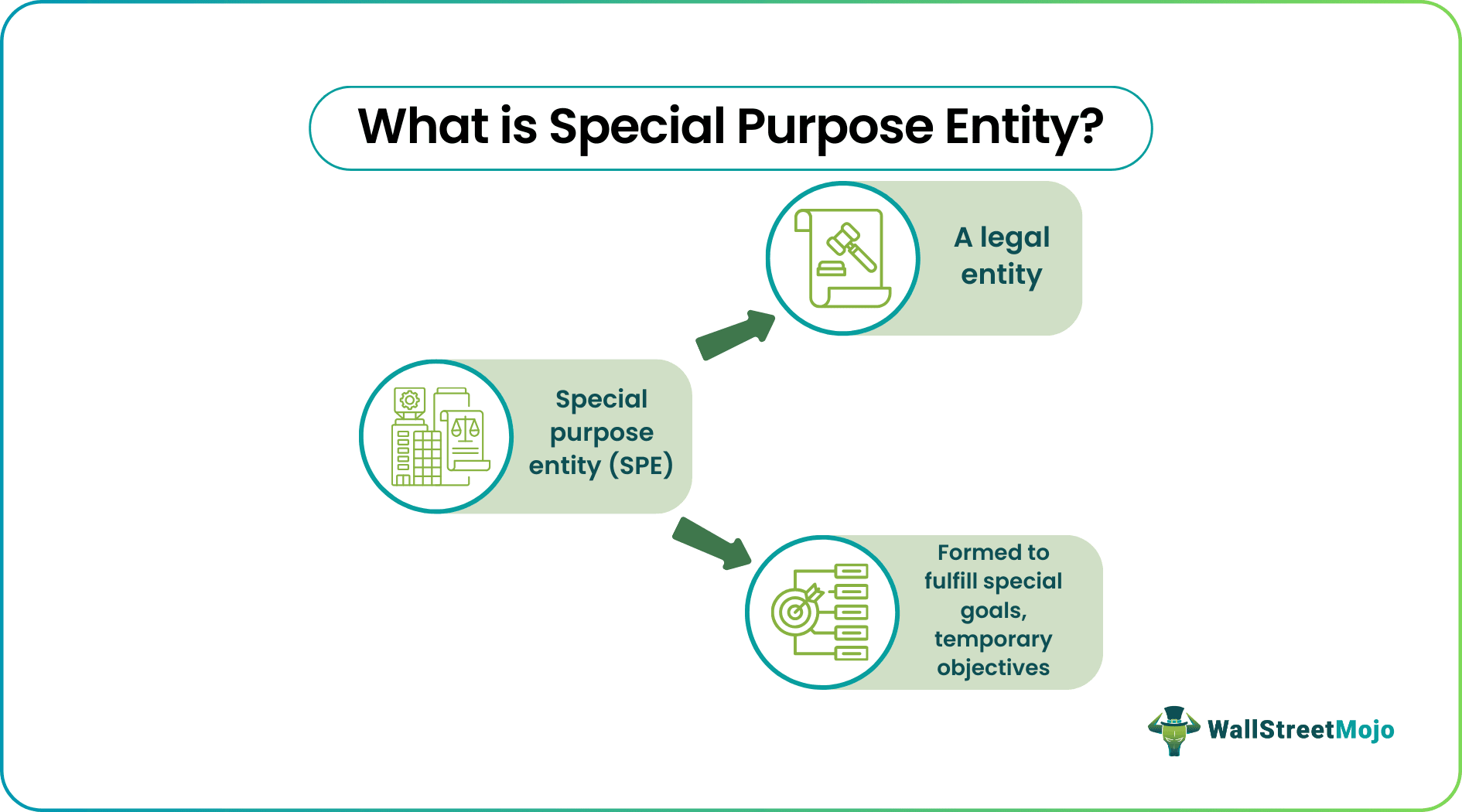
(a) Special Purpose Entities (SPEs) / Special Purpose Vehicles (SPVs)
- Used to isolate financial risk
- Can hold assets or liabilities off the parent company’s balance sheet
(b) Operating Leases
- Leases not capitalized on the balance sheet (under older accounting standards)
- Only periodic lease payments appear on income statement
(c) Joint Ventures and Partnerships
- Sometimes not consolidated if the company does not have majority control
(d) Contingent Liabilities
- Guarantees, letters of credit, and legal claims
- Recorded in footnotes rather than on the balance sheet
(e) Derivative Instruments
- Certain derivative contracts may be off-balance-sheet if not recognized at fair value
3. Objectives of OBS Arrangements
- Financial Flexibility – Obtain financing without increasing debt ratios
- Risk Isolation – Segregate risky projects or assets
- Regulatory Compliance – Avoid breaching capital adequacy ratios or debt covenants
- Performance Metrics Management – Maintain leverage and return ratios
Key Warning: Improper use or non-disclosure can lead to fraudulent misrepresentation and regulatory action.
4. Regulatory and Accounting Framework
(a) U.S. GAAP (FASB)
- FAS 140 / ASC 810: Consolidation rules for SPEs
- Requires disclosure of OBS commitments in footnotes and risk sections
(b) IFRS
- IFRS 10 / IFRS 12: Consolidation and disclosure of special purpose entities
- Emphasizes transparent reporting of risks and obligations
(c) Sarbanes-Oxley Act (SOX), 2002
- Requires CEO/CFO certification of financial statements
- Strengthens accountability for OBS disclosures
(d) Securities and Exchange Commission (SEC) Regulations
- Item 303: Management Discussion & Analysis must describe material off-balance-sheet arrangements
- Regulation S-K: Requires risk disclosures
5. Key Risks Associated with OBS
- Hidden Leverage – OBS can conceal debt or obligations
- Liquidity Risk – Future cash requirements may be underestimated
- Accounting Abuse – Manipulation of earnings or financial ratios
- Reputational Risk – Investor confidence may be impacted
6. Important Case Laws
1. Enron Corp. Case (2001, US)
- Issue: Extensive use of SPEs to hide debt and inflate earnings
- Outcome: Bankruptcy; multiple executives convicted
- Significance: Led to Sarbanes-Oxley Act and stricter OBS disclosures
2. WorldCom Inc. (2002, US)
- Issue: Capitalizing expenses to manipulate earnings, off-balance-sheet financing
- Outcome: $11 billion accounting fraud uncovered
- Significance: Highlighted risk of misclassifying OBS arrangements
3. Lehman Brothers Holdings Inc. (2008, US)
- Issue: “Repo 105” transactions to temporarily remove liabilities from balance sheet
- Outcome: Bankruptcy, regulatory investigations
- Significance: Demonstrated temporary OBS manipulations affecting leverage
4. Tyco International Ltd. (2002, US)
- Issue: Unauthorized transactions off-balance-sheet and misappropriation of funds
- Outcome: Executive convictions and corporate penalties
- Significance: Reinforced need for internal controls and disclosure
5. Parmalat SpA (2003, Italy)
- Issue: Use of OBS subsidiaries to hide debt
- Outcome: €14 billion fraud uncovered, CEO arrested
- Significance: International recognition of OBS abuse in financial reporting
6. Vivendi Universal SA (2002, France)
- Issue: OBS obligations and guarantees misrepresented in financial statements
- Outcome: Shareholder lawsuits and SEC investigations
- Significance: Required improved transparency and IFRS disclosures
7. General Electric (GE) OBS Accounting Settlement (2009, US)
- Issue: Improper OBS accounting for structured finance products
- Outcome: SEC consent decree; payment of penalties
- Significance: Clarified disclosure obligations under US GAAP
7. Regulatory and Compliance Lessons
- Full Disclosure – All material off-balance-sheet arrangements must be disclosed in footnotes.
- Consolidation Rules – Evaluate SPEs under ASC 810 / IFRS 10.
- Internal Controls – Implement internal audit and risk management policies.
- Executive Accountability – CEO/CFO certification required under SOX.
- Risk Transparency – Clearly communicate obligations, guarantees, and potential cash outflows.
8. Conclusion
Off-balance-sheet arrangements are legitimate tools for financing and risk management, but improper use can mask debt, inflate profits, and lead to regulatory violations.
Judicial precedents—from Enron to Lehman Brothers—demonstrate the critical importance of transparency, disclosure, and internal controls. Modern accounting standards and legislation now require that OBS arrangements are reported, evaluated, and monitored, making compliance essential for corporate governance and investor protection.
RELATED Blog

comments