



Operating Lease Vs Finance Lease Implications.
Operating Lease vs Finance Lease

4
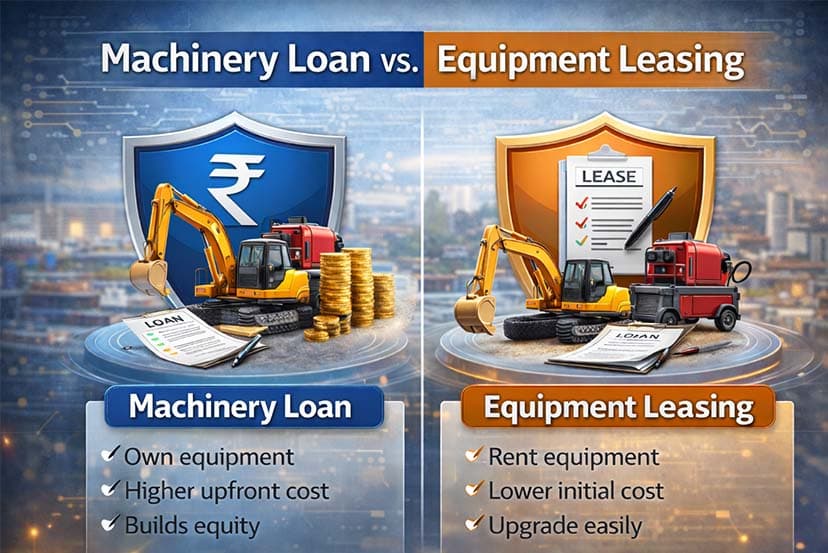
Leasing is a key financing mechanism used by corporations to acquire assets without outright purchase. The two primary forms are Operating Lease and Finance Lease (Capital Lease). Their distinction has major implications for accounting, taxation, risk allocation, and legal liability.
1. Meaning and Concept
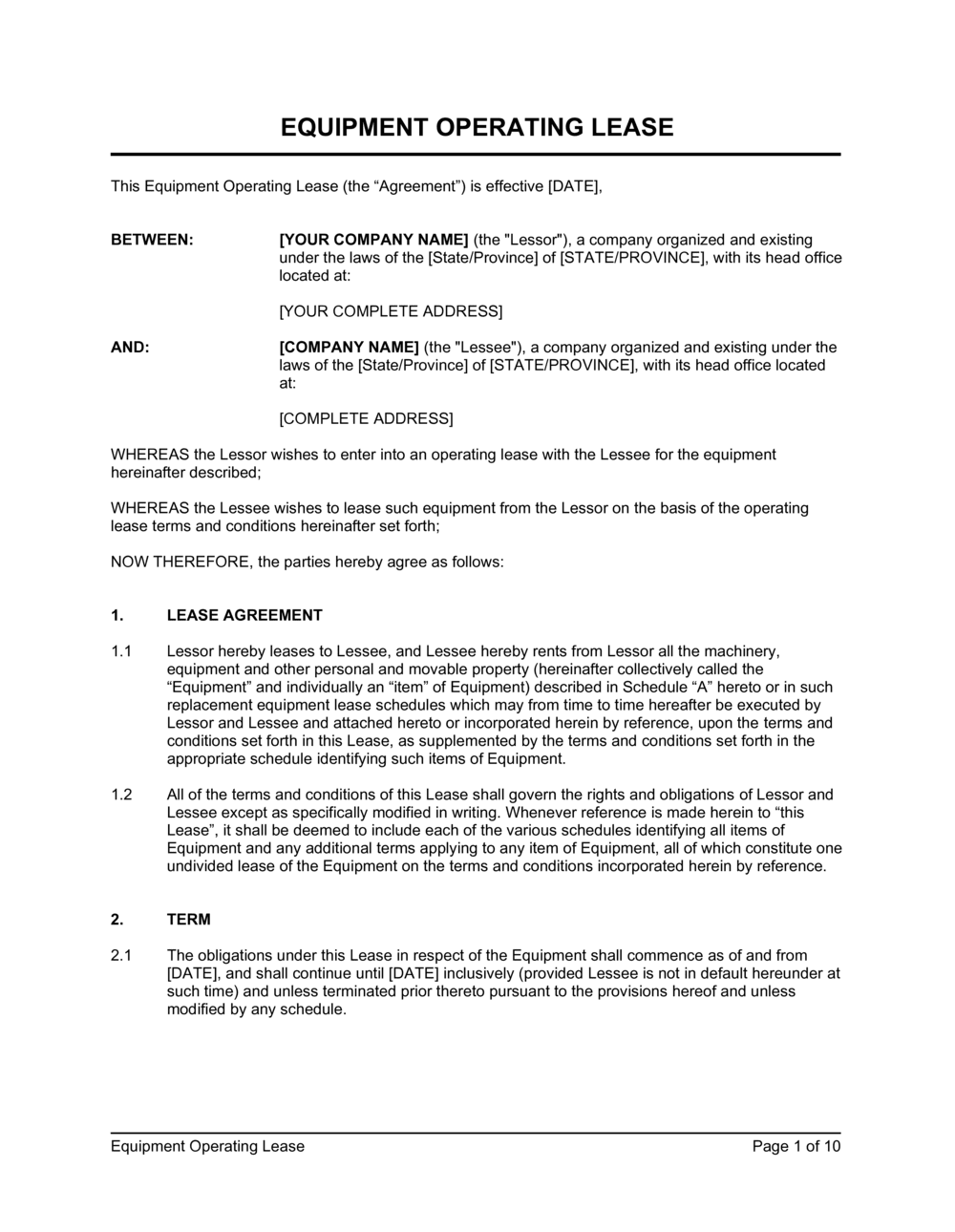
(A) Operating Lease
- Short-term lease
- Ownership remains with lessor
- Asset is returned after lease period
- Treated as off-balance sheet (historically; modified under Ind AS/IFRS 16)
(B) Finance Lease
- Long-term lease
- Transfers substantially all risks and rewards of ownership
- Lessee often has option to purchase asset
- Treated as on-balance sheet asset + liability
2. Key Differences
| Basis | Operating Lease | Finance Lease |
|---|---|---|
| Ownership | Lessor | Economic ownership with lessee |
| Risk & Rewards | Lessor | Lessee |
| Duration | Short-term | Long-term |
| Accounting Treatment | Expense | Asset + liability |
| Maintenance | Lessor | Lessee |
| Purchase Option | Usually none | Usually present |
| Cancellation | Flexible | Non-cancellable |
3. Accounting and Tax Implications
(A) Accounting (Ind AS 116 / IFRS 16)
- Lessee must recognize:
- Right-of-use asset
- Lease liability
- Distinction between operating and finance lease reduced for lessees
(B) Tax Treatment
- Operating Lease:
- Lease payments treated as business expenses
- Finance Lease:
- Depreciation claimed by lessee
- Interest portion deductible
(C) Impact on Financial Ratios
- Finance lease increases:
- Debt levels
- Leverage ratios
- Operating lease improves:
- Asset-light structure
4. Legal Implications
(i) Ownership and Title
- Operating lease → title remains with lessor
- Finance lease → substance over form principle applies
(ii) Risk Allocation
- Finance lease shifts:
- Risk of obsolescence
- Maintenance responsibility
- Insurance liability
(iii) Insolvency Treatment
- Finance lease → treated like secured lending
- Operating lease → asset can be repossessed
(iv) Contractual Obligations
- Finance lease agreements are non-cancellable
- Operating leases are flexible
5. Landmark Case Laws
(1) Asea Brown Boveri Ltd. v. Industrial Finance Corporation of India (2005)
- Distinguished between finance lease and hire-purchase
- Court emphasized transfer of risks and rewards
(2) Association of Leasing & Financial Service Companies v. Union of India (2010)
- Supreme Court clarified tax treatment of leasing transactions
- Recognized finance lease as financial arrangement rather than pure lease
(3) Sundaram Finance Ltd. v. State of Kerala (1966)
- Key case distinguishing loan vs lease transaction
- Substance over form principle applied
(4) ICDS Ltd. v. Commissioner of Income Tax (2013)
- Supreme Court held that lessor is entitled to depreciation in certain leasing structures
- Clarified tax implications of operating vs finance leases
(5) Bharat Sanchar Nigam Ltd. v. Union of India (2006)
- Discussed composite contracts and transfer of right to use goods
- Relevant in determining tax liability in leasing arrangements
(6) CIT v. Shaan Finance (P) Ltd. (1998)
- Leasing companies entitled to investment allowance benefits
- Recognized leasing as a legitimate business model
(7) 20th Century Finance Corporation Ltd. v. State of Maharashtra (2000)
- Clarified tax situs of leasing transactions
- Important for VAT implications in leasing
6. Practical Implications for Corporations
(A) When to Use Operating Lease
- Short-term asset requirement
- Avoid ownership risk
- Maintain low debt levels
(B) When to Use Finance Lease
- Long-term use of asset
- Desire eventual ownership
- Tax benefits from depreciation
7. Advantages and Disadvantages
Operating Lease
Advantages:
- Flexibility
- Lower financial risk
- Off-balance sheet benefits (historically)
Disadvantages:
- No ownership
- Higher long-term cost
Finance Lease
Advantages:
- Ownership benefits
- Tax advantages
- Asset control
Disadvantages:
- Higher liability
- Less flexibility
- Risk burden on lessee
8. Conclusion
The distinction between operating lease and finance lease is critical in corporate finance, taxation, and legal compliance. Courts consistently apply the “substance over form” principle, focusing on whether risks and rewards are transferred.
- Operating lease → service-like arrangement
- Finance lease → financing arrangement akin to a loan
With evolving accounting standards like Ind AS 116, the gap has narrowed, but legal and tax implications remain significant, making proper classification essential for corporate decision-making.
RELATED Blog

comments