


Operational Risk In High-Frequency Trading.
Operational Risk in High-Frequency Trading (HFT)
High-Frequency Trading (HFT) involves the use of advanced algorithms, ultra-fast execution systems, and high-speed data networks to execute large volumes of trades in fractions of a second. While it enhances market liquidity and efficiency, it also introduces significant operational risks for financial institutions.
1. Meaning and Nature of Operational Risk in HFT
Operational risk in HFT refers to the risk of loss resulting from inadequate or failed internal processes, systems, human error, or external events in algorithm-driven trading environments.
Key Characteristics
- Millisecond decision-making
- Automated execution without human intervention
- Heavy reliance on technology infrastructure
- Complex algorithmic strategies
2. Types of Operational Risks in HFT
(a) Technology and System Failures



4
- Hardware malfunctions
- Network latency or outages
- Software bugs
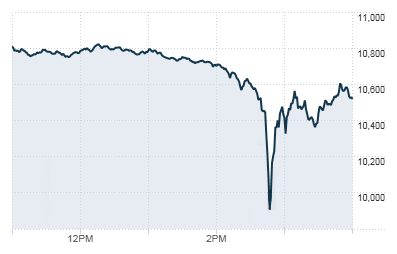
👉 Even a minor glitch can trigger massive unintended trades within seconds.
(b) Algorithmic Errors (“Algo Risk”)


4
- Faulty coding
- Unintended trading strategies
- Feedback loops causing market disruption
(c) Market Infrastructure Risks
- Exchange outages
- Data feed inaccuracies
- Latency arbitrage issues
(d) Human and Governance Failures
- Poor supervision of algorithms
- Lack of risk controls
- Inadequate testing before deployment
(e) Cybersecurity Risks
- Hacking of trading systems
- Data manipulation
- Denial-of-service attacks
3. Regulatory Framework
(a) UK and EU Regulations
- Markets in Financial Instruments Directive II (MiFID II)
- Market Abuse Regulation (MAR)
- Prudential Regulation Authority (PRA) guidelines
(b) Key Regulatory Authority
- Financial Conduct Authority
(c) Compliance Requirements
- Pre-trade risk controls
- Kill switches for algorithms
- Real-time monitoring systems
- Stress testing of trading algorithms
4. Key Case Laws and Incidents
(1) Knight Capital Group Trading Incident
- Faulty algorithm caused losses of $440 million in 45 minutes.
- Demonstrates catastrophic impact of system deployment errors.
(2) SEC v Knight Capital Americas LLC
- SEC fined the firm for inadequate risk controls.
- Emphasized need for robust pre-trade safeguards.
(3) Navinder Singh Sarao v United States
- Trader used algorithmic spoofing contributing to the 2010 Flash Crash.
- Highlighted risks of market manipulation via algorithms.
(4) SEC v Athena Capital Research LLC
- Firm used algorithms to manipulate closing prices.
- Demonstrated regulatory scrutiny of HFT strategies.
(5) Commodity Futures Trading Commission v Oystacher
- Trader penalized for algorithmic spoofing practices.
- Reinforces need for compliance monitoring.
(6) Barclays PLC Dark Pool Litigation
- Allegations of misleading investors about HFT activity in dark pools.
- Shows governance and transparency failures.
(7) UBS MTF Regulatory Action
- Regulatory penalties for inadequate monitoring of trading systems.
- Highlights importance of platform-level oversight.
5. Governance and Risk Management Failures
Key Weaknesses Observed
- Lack of testing before deployment
- Poor change management systems
- Absence of real-time monitoring
- Inadequate escalation mechanisms
6. Risk Mitigation Strategies
(a) Technological Controls
- Circuit breakers
- Kill switches
- Algorithm validation and testing
(b) Governance Controls
- Board-level oversight of trading systems
- Dedicated risk committees
- Segregation of duties
(c) Compliance Measures
- Continuous monitoring for market abuse
- Audit trails for algorithm decisions
- Regulatory reporting
7. Legal and Financial Implications
Failure to manage operational risk may lead to:
- Heavy regulatory fines
- Civil liability
- Criminal prosecution (in manipulation cases)
- Severe reputational damage
8. Emerging Risks
- AI-driven trading algorithms
- Quantum computing impacts
- Cross-border regulatory arbitrage
- Increasing cyber threats
Conclusion
Operational risk in high-frequency trading is high-impact and fast-moving, where even minor failures can escalate into systemic financial crises. Case law and regulatory actions clearly demonstrate that firms must implement robust technological safeguards, strong governance frameworks, and continuous monitoring systems. In the HFT environment, speed amplifies risk, making proactive oversight and control mechanisms essential.
RELATED Blog

comments