



Operator Misconduct Disputes Arbitration
Operator Safety Compliance (Legal & Corporate Governance Perspective)
Operator safety compliance refers to the legal and organizational obligations imposed on employers and corporations to ensure the safety, health, and welfare of operators (workers, machine handlers, drivers, technicians, etc.) in the workplace. In the UK, this area is primarily governed by statutory duties, regulatory standards, and common law principles.
1. Legal Framework Governing Operator Safety
(a) Key Statutes
- Health and Safety at Work etc. Act 1974 (HSWA)
- Management of Health and Safety at Work Regulations 1999
- Provision and Use of Work Equipment Regulations 1998 (PUWER)
- Workplace (Health, Safety and Welfare) Regulations 1992
(b) Regulatory Authority
- Health and Safety Executive
(c) Core Employer Duties
- Ensure safe systems of work
- Provide proper training and supervision
- Maintain safe equipment and workplace conditions
- Conduct risk assessments
2. Duty of Care and Employer Liability
Employers owe a non-delegable duty of care to operators.
Key Elements
- Safe workplace
- Safe equipment
- Competent staff
- Adequate supervision
Case Laws
- Wilson & Clyde Coal Co Ltd v English
- Established employer’s duty to provide a safe system of work.
- Latimer v AEC Ltd
- Employer not liable where reasonable precautions were taken.
3. Risk Assessment and Preventive Measures
Workplace Risk Identification



4
Employers must:
- Identify hazards
- Evaluate risks
- Implement preventive measures
Case Law
- Baker v Quantum Clothing Group Ltd
- Employers must respond to evolving knowledge of risks.
4. Equipment Safety and Maintenance
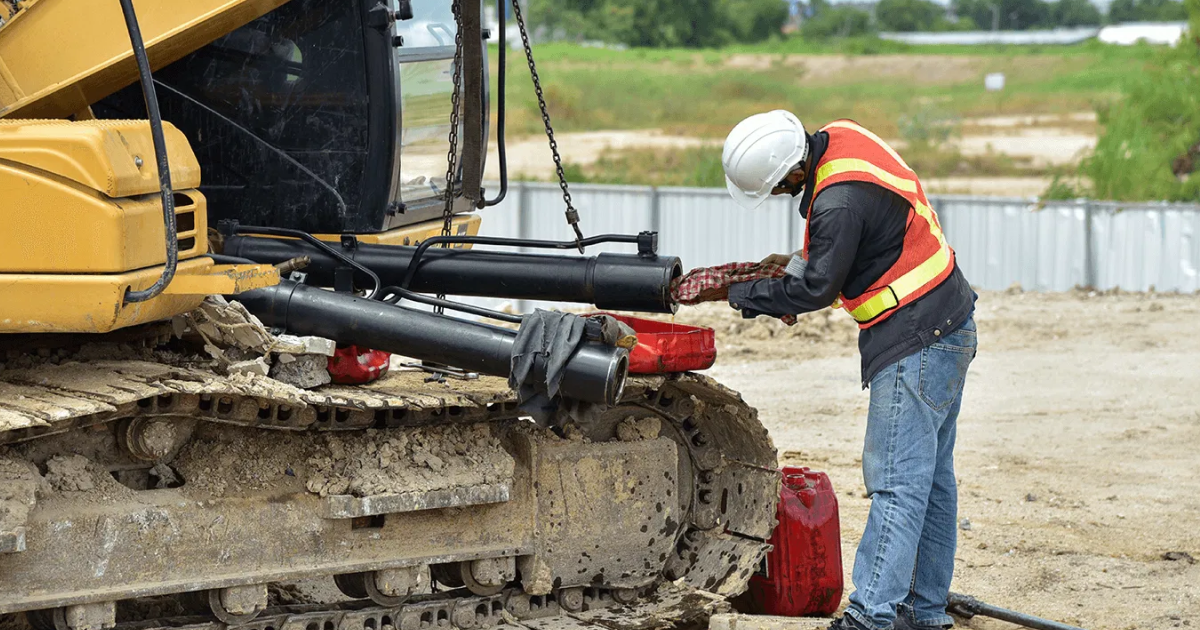
Operators often work with machinery, making equipment safety critical.
Machinery and Equipment Safety

4
Employer Duties
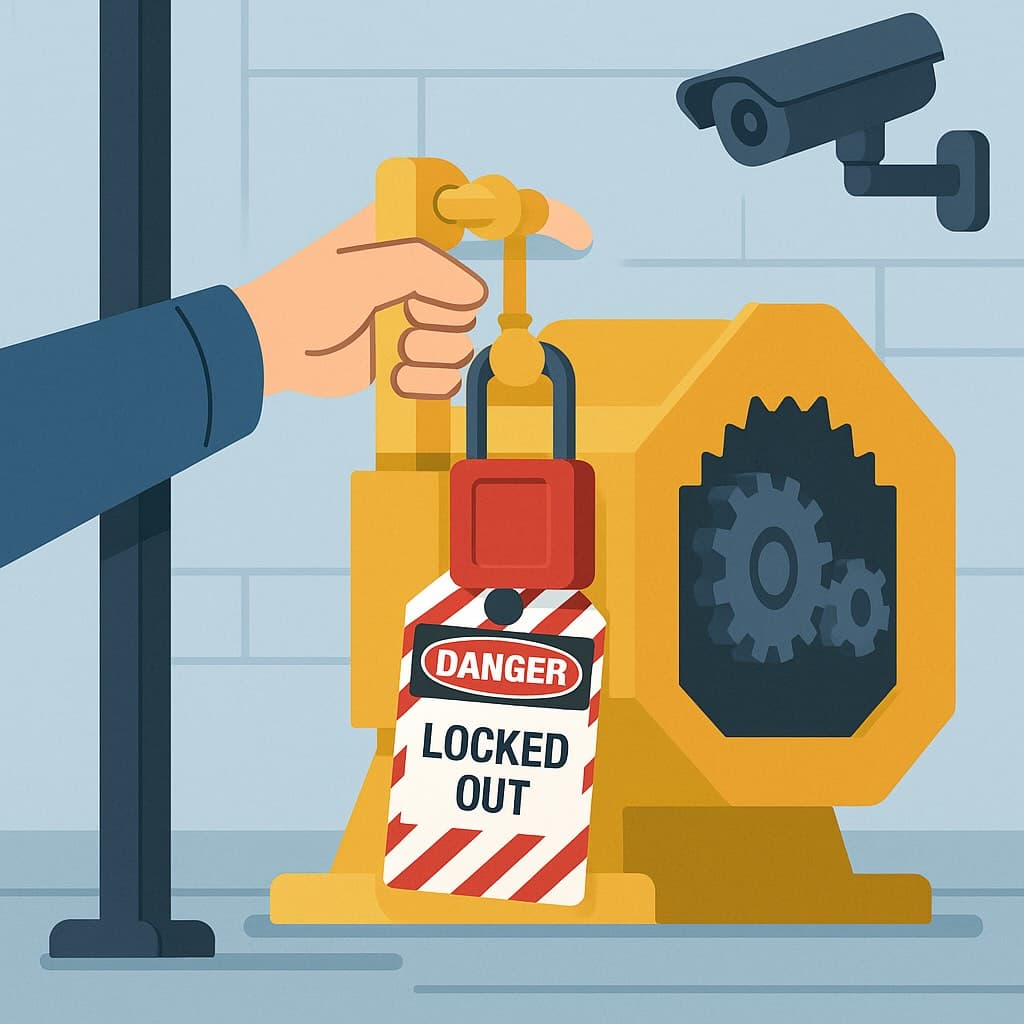
- Regular inspection and maintenance
- Use of safety guards
- Compliance with PUWER
Case Law
- Stark v Post Office
- Employer liable for defective equipment even without negligence.
5. Training and Supervision
Employers must ensure operators are competent and properly trained.
Key Requirements
- Safety training programs
- Clear operational instructions
- Ongoing supervision
Case Law
- Mountford v Midland Bank plc
- Liability arises where inadequate training leads to injury.
6. Personal Protective Equipment (PPE)
Obligations
- Provide appropriate PPE
- Ensure proper use
- Maintain equipment
Case Law
- Allison v London Underground Ltd
- Employer liable for failure to ensure adequate protective measures.
7. Vicarious Liability and Operator Conduct
Employers may be liable for acts of employees during operations.
Case Law
- Various Claimants v WM Morrison Supermarkets plc
- Demonstrates employer liability for employee actions within scope of employment.
8. Reporting, Monitoring, and Compliance
Legal Duties
- Report accidents (RIDDOR Regulations)
- Maintain safety records
- Conduct audits and inspections
Enforcement by
- Health and Safety Executive
Failure may lead to:
- Criminal prosecution
- Fines and penalties
- Business closure
9. Corporate Governance and Safety Culture
Key Elements
- Board-level responsibility for safety
- Integration of safety into risk management
- Strong organizational safety culture
10. Emerging Issues in Operator Safety
- Automation and robotics risks
- AI-driven machinery
- Remote and gig economy workers
- Mental health and fatigue management
Conclusion
Operator safety compliance is a fundamental legal obligation and a critical component of corporate governance. UK law imposes a strict and proactive duty on employers to ensure safe working conditions, proper training, and effective risk management. Case law consistently reinforces that failure to comply can result in civil liability, criminal sanctions, and reputational harm, making safety compliance an essential priority for all organizations.
RELATED Blog

comments