



Product Defect Root-Cause Investigations.
Product Defect Root-Cause Investigations
1. Introduction
A product defect root-cause investigation (RCI) is a systematic process undertaken to:
- Identify the underlying cause of a product failure or defect
- Determine whether the defect arose from:
- Design
- Manufacturing
- Warning/labeling deficiencies
- Prevent recurrence and assess legal liability
RCIs are critical in product liability litigation, regulatory compliance, and risk management.
2. Types of Product Defects

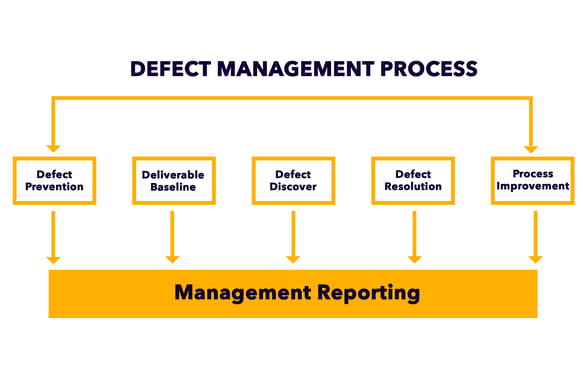

4
(A) Design Defects
- Inherent flaw in product design
- Affects entire product line
(B) Manufacturing Defects
- Occur during production
- Affect specific units
(C) Failure to Warn (Marketing Defects)
- Inadequate instructions or warnings
- Risks not communicated to users
3. Objectives of Root-Cause Investigation
- Identify technical cause of failure
- Determine scope of defect
- Assess risk to consumers
- Establish liability exposure
- Support recalls and corrective actions
4. Investigation Methodology
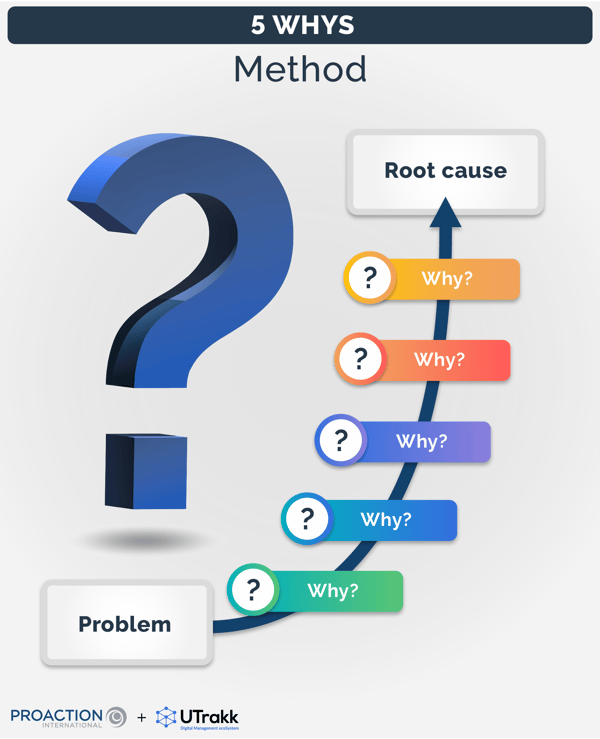
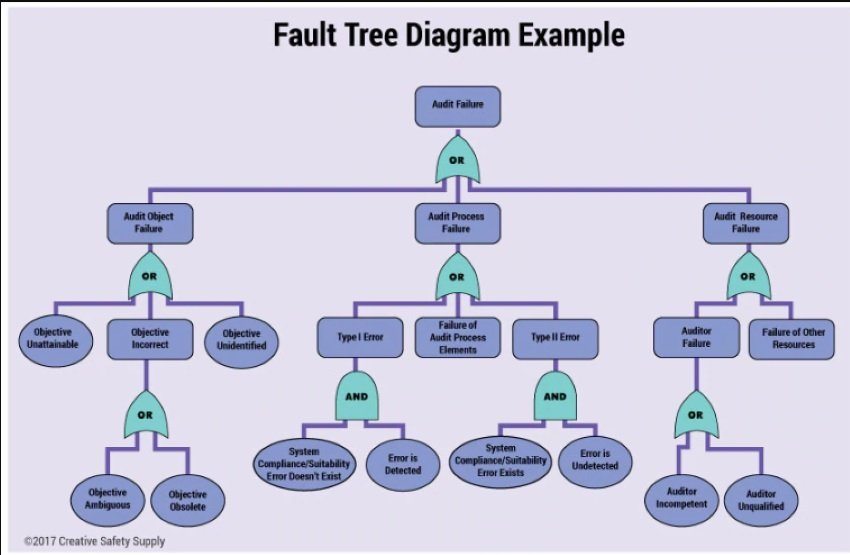

(1) Data Collection
- Customer complaints
- Incident reports
- Product samples
(2) Technical Analysis
- Laboratory testing
- Failure mode analysis
- Engineering review
(3) Root Cause Tools
- 5 Whys Method
- Fishbone (Ishikawa) Diagram
- Fault Tree Analysis
(4) Causation Assessment
- Link defect to damage/injury
- Eliminate alternative causes
(5) Corrective Action
- Design modification
- Process improvement
- Product recall
5. Legal Framework in Product Liability
(A) Strict Liability
- Manufacturer liable regardless of fault
(B) Negligence
- Failure to exercise reasonable care
(C) Breach of Warranty
- Product fails to meet promised standards
6. Role of Root-Cause Analysis in Litigation
RCIs help courts determine:
- Whether a defect existed
- Whether defect caused the injury
- Whether manufacturer exercised due care
- Whether warnings were adequate
They are often supported by:
- Expert testimony
- Technical reports
- Testing data
7. Key Case Laws
(1) Donoghue v Stevenson (1932)
- Foundational case on product liability.
Principle:
Manufacturers owe a duty of care to consumers.
Relevance:
RCI helps establish breach of this duty.
(2) Grant v Australian Knitting Mills (1936)
- Defective underwear caused skin injury.
Principle:
Manufacturing defects can establish liability without direct proof of negligence.
Relevance:
RCI identifies contamination in production.
(3) Greenman v Yuba Power Products Inc (1963)
- Established strict liability in the US.
Principle:
Manufacturer liable for defective products causing injury.
Relevance:
RCI used to prove defect and causation.
(4) A v National Blood Authority (2001)
- Blood contaminated with Hepatitis C.
Principle:
Product can be defective even if risk was unavoidable.
Relevance:
RCI identifies contamination source.
(5) Barker v Lull Engineering Co (1978)
- Concerned design defect in machinery.
Principle:
Burden shifts to manufacturer to prove product is not defective.
Relevance:
RCI critical in defending design decisions.
(6) Tesco Stores Ltd v Pollard (2006)
- Child-resistant packaging case.
Principle:
Warnings must be adequate but not foolproof.
Relevance:
RCI evaluates adequacy of labeling and instructions.
(7) Wilkes v DePuy International Ltd (2016)
- Defective hip implant litigation.
Principle:
Risk-benefit analysis in design defects.
Relevance:
RCI used to assess design safety.
8. Common Challenges in Root-Cause Investigations
- Complex supply chains
- Multiple contributing factors
- Lack of data or product samples
- Time delays in detection
- Conflicting expert opinions
9. Regulatory and Compliance Aspects
- Mandatory reporting of defects (e.g., consumer protection laws)
- Product recall obligations
- Safety standards compliance (ISO, BIS, etc.)
Failure to conduct proper RCI may lead to:
- Regulatory penalties
- Increased liability exposure
- Reputational damage
10. Best Practices
- Establish structured investigation protocols
- Maintain documentation and traceability
- Use multidisciplinary teams (engineering, legal, quality)
- Conduct independent testing
- Implement preventive measures post-investigation
11. Critical Evaluation
Advantages
- Improves product safety
- Reduces litigation risk
- Supports regulatory compliance
Limitations
- Resource-intensive
- May not always identify a single cause
- Potential bias in internal investigations
12. Conclusion
Product defect root-cause investigations are a cornerstone of modern product liability law and risk management. They bridge the gap between technical failure analysis and legal accountability, enabling courts and regulators to determine:
- The existence of a defect
- Its origin
- Its impact on consumer safety
A robust RCI process not only mitigates legal exposure but also enhances consumer trust and product reliability.

RELATED Blog

comments