



Refrigerant Handling Compliance.
Refrigerant Handling Compliance
Refrigerant handling compliance refers to the legal and regulatory framework governing the production, storage, use, recovery, recycling, and disposal of refrigerants (such as CFCs, HCFCs, HFCs, and natural refrigerants). These rules aim to protect the environment—especially the ozone layer and climate system—and ensure workplace safety.
1. Understanding Refrigerants and Their Risks


4
Refrigerants are chemicals used in cooling systems like air conditioners, refrigerators, and industrial chillers. Improper handling can lead to:
- Ozone depletion (CFCs, HCFCs)
- Global warming (HFCs)
- Toxic exposure and fire hazards
- Environmental contamination
2. Legal and Regulatory Framework
(A) International Framework
- Montreal Protocol
- Phases out ozone-depleting substances
- Mandates safe handling and disposal
- Kigali Amendment
- Targets reduction of HFCs
(B) India-Specific Laws
- Ozone Depleting Substances (Regulation and Control) Rules, 2000
- Environment (Protection) Act, 1986
- Bureau of Indian Standards (BIS) safety norms
(C) Other Jurisdictions (Illustrative)
- EU F-Gas Regulation
- U.S. Clean Air Act (Section 608)
3. Core Refrigerant Handling Obligations
(A) Certification and Training
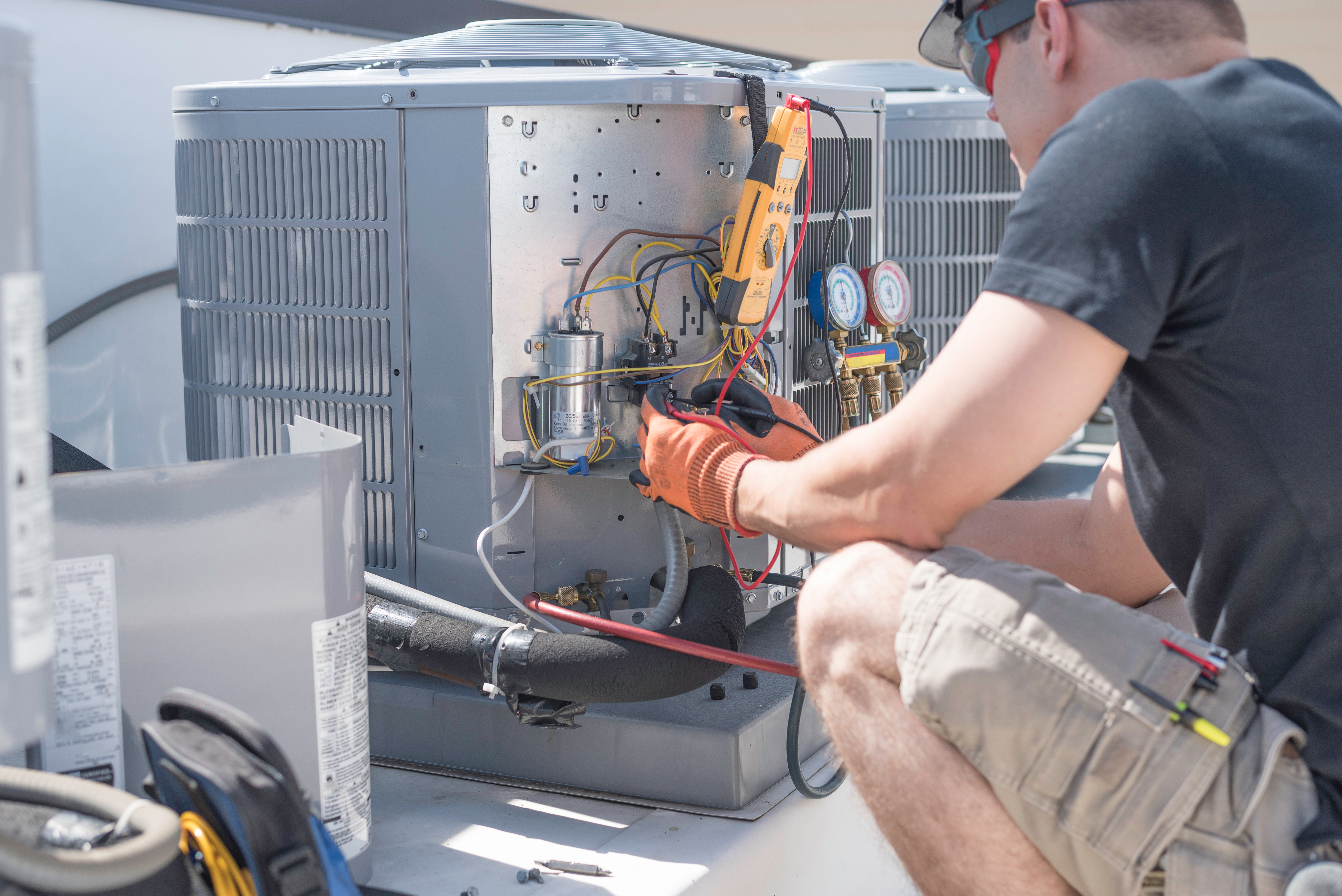
- Only certified technicians may handle refrigerants
- Mandatory training in:
- Leak detection
- Recovery and recycling
- Safe disposal
(B) Leak Prevention and Detection
- Regular inspection of HVAC systems
- Immediate repair of leaks
- Maintenance logs required
(C) Recovery and Recycling
- Refrigerants must be:
- Recovered before servicing or disposal
- Recycled or reclaimed using approved equipment
(D) Storage and Transportation
- Use of approved cylinders
- Proper labeling and hazard classification
- Compliance with hazardous material transport rules
(E) Recordkeeping and Reporting
- Maintain records of:
- Quantity used
- Recovery and disposal
- Leak incidents
(F) Disposal and Destruction
- Environmentally sound destruction methods
- Prohibition on venting refrigerants into the atmosphere
(G) Import and Export Controls
- Licensing for import/export of refrigerants
- Compliance with international quotas
4. Environmental and Safety Principles
- Precautionary Principle
- Polluter Pays Principle
- Sustainable Development
- Extended Producer Responsibility (EPR) (in some jurisdictions)
5. Enforcement and Penalties
- Monetary penalties
- Revocation of licenses
- Criminal liability for illegal venting or smuggling
- Seizure of equipment
6. Key Case Laws
1. United States v. Hudson Technologies Inc.
Issue: Illegal release of refrigerants
- Company penalized for venting ozone-depleting substances.
- Reinforced strict compliance with recovery requirements.
2. United States v. Cintas Corp.
Issue: Improper handling of hazardous substances
- Highlighted duty to follow environmental handling standards, including refrigerants.
3. Research Foundation for Science v. Union of India
Issue: Import of hazardous materials
- Court restricted unsafe import practices, applicable to refrigerant chemicals.
4. M.C. Mehta v. Union of India
Principle: Absolute liability for environmental harm
- Applies to industries mishandling refrigerants causing environmental damage.
5. Vellore Citizens Welfare Forum v. Union of India
Principle: Polluter pays and precautionary principles
- Industries must bear cost of environmental damage from improper refrigerant handling.
6. United States v. National Refrigerants Inc.
Issue: Non-compliance with refrigerant regulations
- Court enforced strict penalties for improper refrigerant sales and handling.
7. State of California v. Car Manufacturers (various cases)
Issue: Emissions from mobile air conditioning systems
- Reinforced need for compliance in refrigerant design and handling.
7. Corporate Compliance and Governance
Organizations must:
- Implement environmental management systems
- Train employees and contractors
- Conduct periodic compliance audits
- Ensure supplier and vendor compliance
8. Industry Best Practices
- Use low-GWP (Global Warming Potential) refrigerants
- Adopt closed-loop recovery systems
- Install automated leak detection systems
- Maintain digital compliance logs
9. Challenges
- Transition to eco-friendly refrigerants
- High compliance costs
- Lack of trained technicians
- Illegal refrigerant trade
10. Conclusion
Refrigerant handling compliance is a critical component of environmental and industrial regulation, aimed at reducing ozone depletion and climate change impacts. Legal frameworks—supported by strong judicial precedents—impose strict obligations on industries to ensure safe handling, recovery, and disposal.
Failure to comply can lead to severe legal, financial, and environmental consequences, making compliance not just a legal duty but a sustainability imperative.
RELATED Blog

comments