


Robotics In Corporate Operations Regulation.
Robotics in Corporate Operations Regulation
1. Meaning and Scope
Robotics in corporate operations regulation refers to the legal, regulatory, and governance framework governing the use of robots, automation systems, and AI-driven machines in business activities such as manufacturing, logistics, healthcare, finance, and customer service.
Robotics includes:
- Industrial robots (assembly lines)
- Service robots (customer interaction, delivery)
- Autonomous systems (drones, vehicles)
- Robotic Process Automation (RPA) in finance and compliance
👉 In essence:
It regulates how corporations deploy, control, and remain accountable for robotic systems.
2. Types of Robotics in Corporate Use
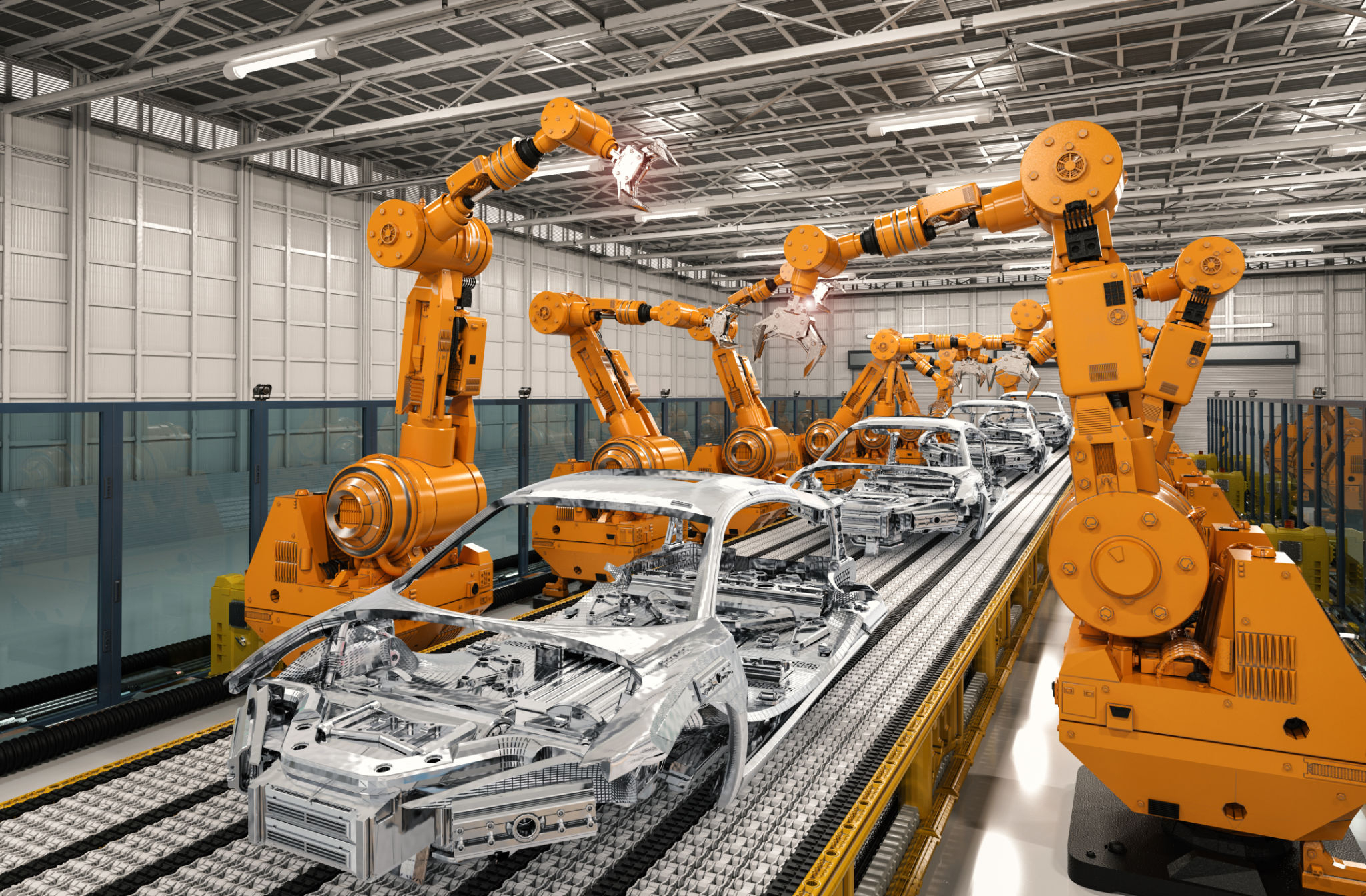
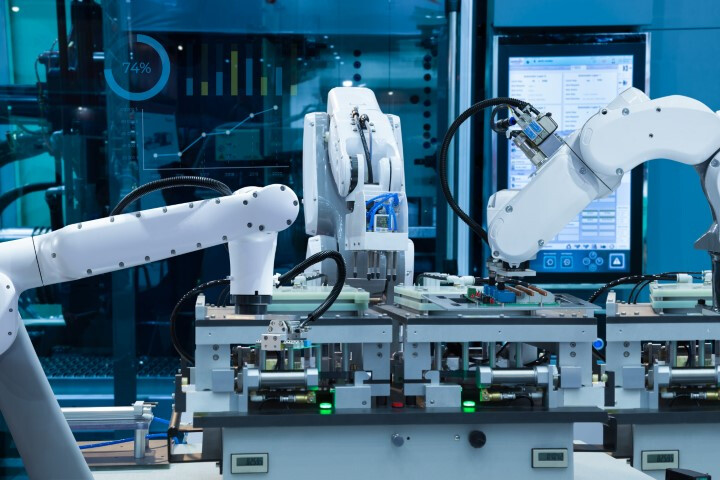
(A) Industrial Robotics


4
- Used in manufacturing, warehousing, logistics
- High precision and efficiency
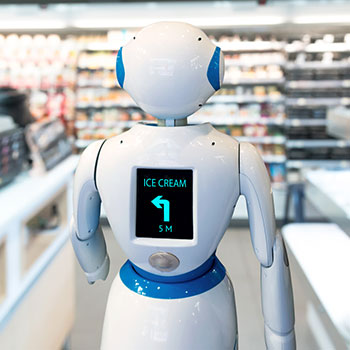
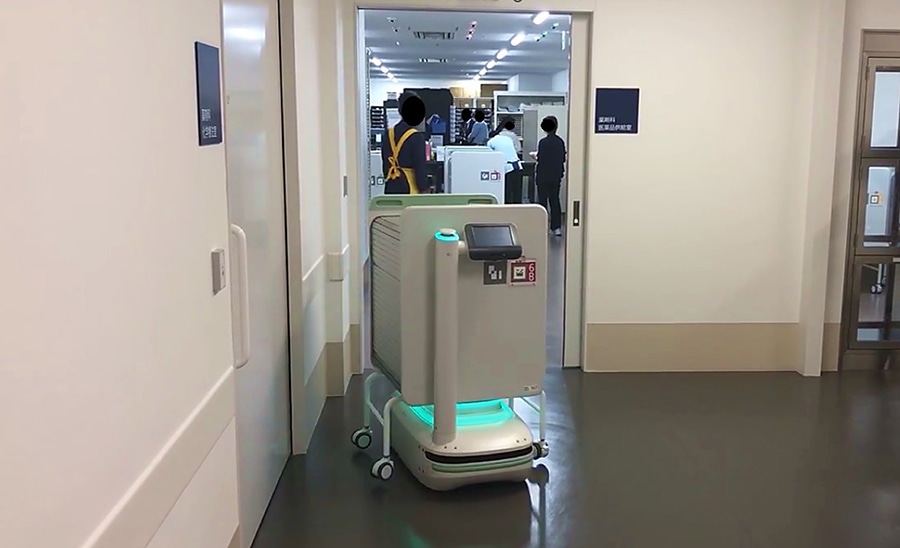
(B) Service Robotics

4
- Customer-facing robots
- Used in hospitality, healthcare, retail
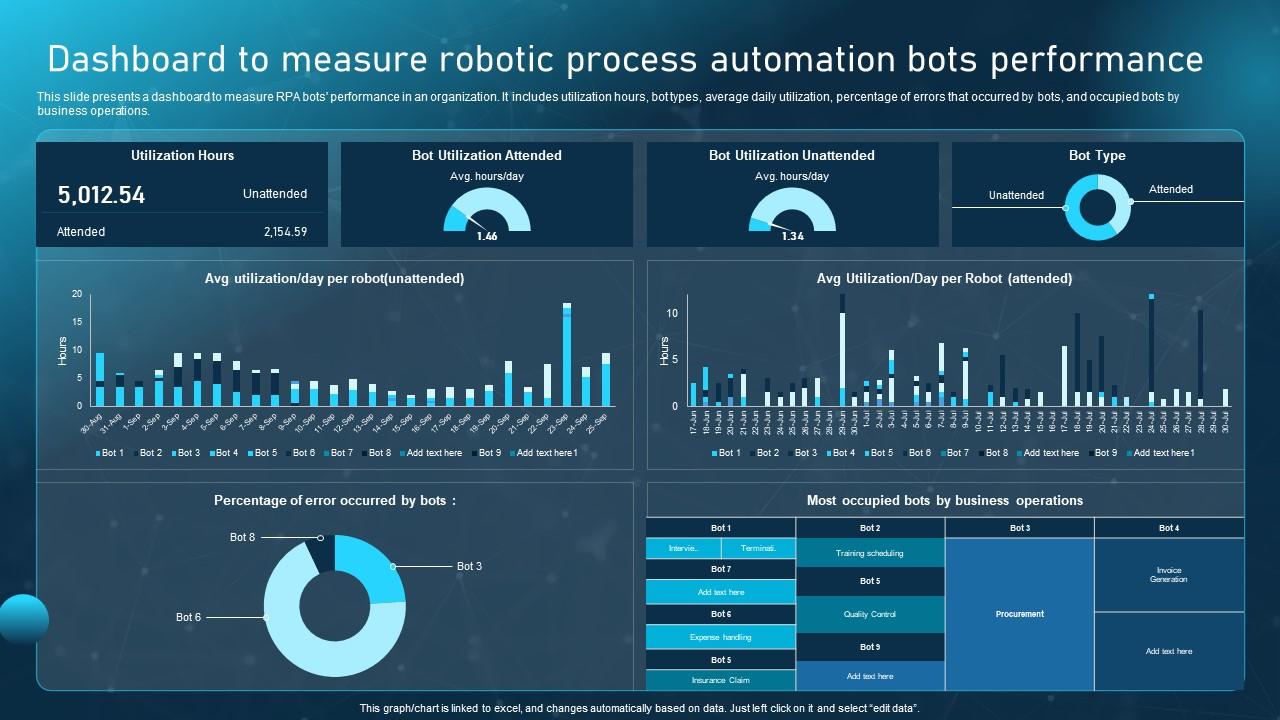
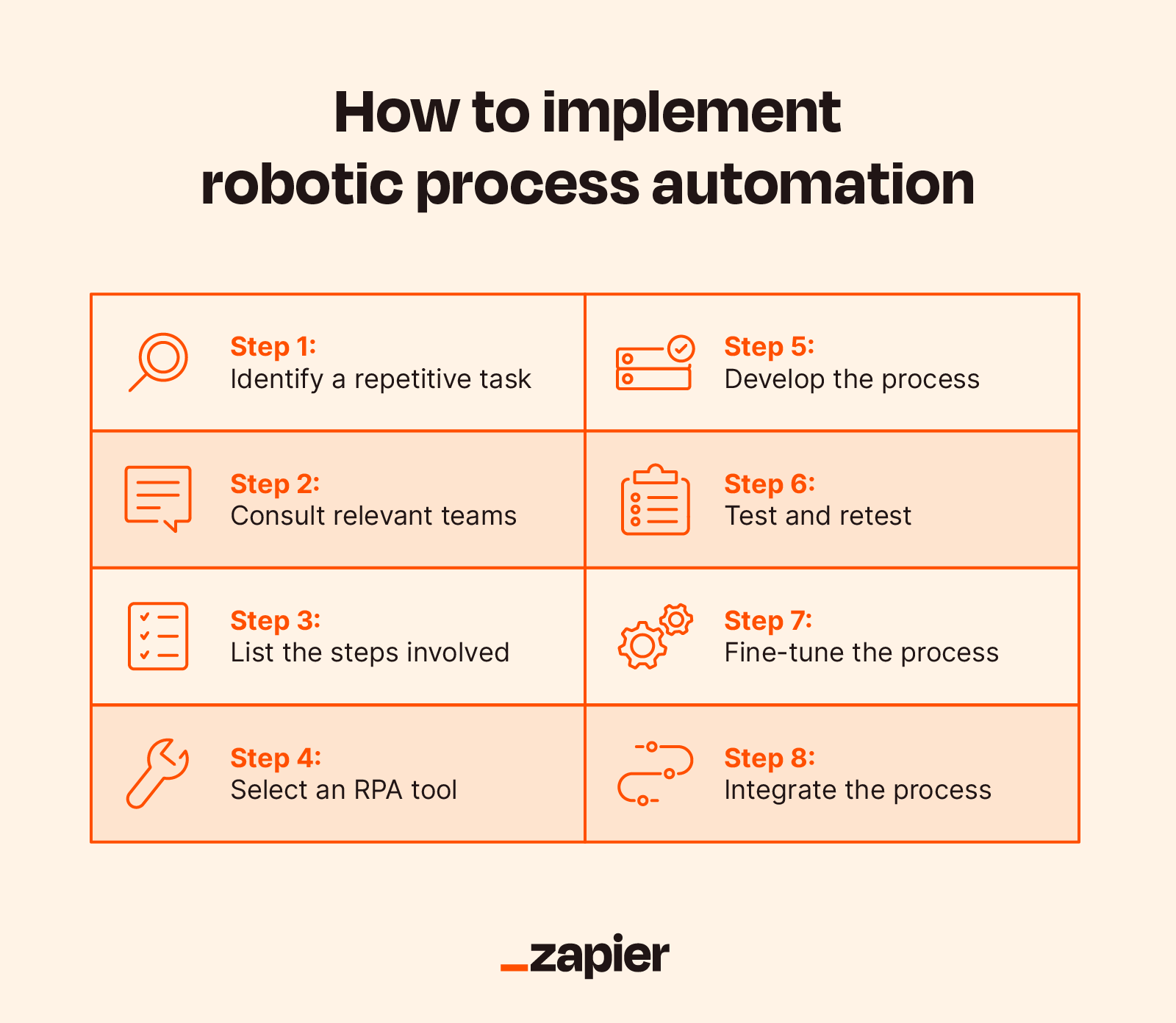
(C) Robotic Process Automation (RPA)
4
- Software “robots” automating repetitive tasks
- Common in accounting, HR, compliance
3. Key Legal Issues in Robotics Regulation
(A) Liability
- Who is responsible if a robot causes harm?
- Manufacturer
- Software developer
- Corporate operator
(B) Data Protection & Privacy
- Robots collect and process data
- Must comply with privacy laws (e.g., GDPR-like frameworks)
(C) Employment Law
- Job displacement concerns
- Worker safety alongside robots
(D) Product Liability
- Defective robots → strict liability claims
(E) Cybersecurity
- Risk of hacking autonomous systems
4. Regulatory Framework
(A) International Developments
- EU Artificial Intelligence Act (emerging framework)
- OECD AI Principles
- ISO robotics safety standards
(B) India
- Information Technology Act, 2000
- Data protection framework (Digital Personal Data Protection Act, 2023)
- BIS safety standards
- Sector-specific guidelines (RBI, SEBI for automation use)
(C) Corporate Governance
Boards must:
- Assess risks of automation
- Implement oversight systems
- Ensure ethical deployment
5. Governance Principles for Robotics
- Accountability
Human oversight must exist - Transparency
Explainable decision-making - Safety and Reliability
Compliance with engineering standards - Ethical Use
Avoid bias and discrimination - Auditability
Systems must be reviewable
6. Judicial Perspective — Key Case Laws
Although robotics-specific jurisprudence is evolving, courts address analogous issues in automation, AI, product liability, and corporate responsibility.
(1) Donoghue v Stevenson (1932)
- Established duty of care in product liability
- Applies to defective robotic systems
(2) Grant v Australian Knitting Mills (1936)
- Reinforced manufacturer liability for defective products
- Relevant to faulty robots
(3) Rylands v Fletcher (1868)
- Strict liability for hazardous activities
- Applies to autonomous robotic operations causing harm
(4) Bolam v Friern Hospital Management Committee (1957)
- Standard of professional care
- Relevant for robots used in healthcare decisions
(5) Caparo Industries plc v Dickman (1990)
- Defined scope of duty of care
- Applicable in determining liability in automated decision systems
(6) Lloyd v Google LLC (2021)
- Addressed data privacy and mass claims
- Relevant where robots process personal data
(7) Uber BV v Aslam (2021)
- Worker classification in automated/platform-based systems
- Relevant for robotics-driven gig operations
7. Practical Applications in Corporate Operations
(A) Manufacturing
- Automated assembly lines
- Reduced human error
(B) Finance
- RPA for compliance and reporting
- Fraud detection systems
(C) Logistics
- Autonomous warehouses and delivery systems
(D) Healthcare
- Surgical robots
- Diagnostic AI systems
8. Risks and Challenges
- Legal Uncertainty
Lack of robotics-specific laws - Liability Complexity
Multiple parties involved - Ethical Concerns
Bias in AI-driven robots - Cybersecurity Threats
Hacking risks - Regulatory Lag
Technology evolving faster than law
9. Best Practices for Corporations
- Conduct robotics risk assessments
- Implement human oversight mechanisms
- Maintain audit logs and transparency
- Ensure data protection compliance
- Regularly update systems and controls
- Establish incident response frameworks
10. Future Trends
- Emergence of AI-specific liability regimes
- Increased regulatory scrutiny
- Development of electronic personhood debates
- Stronger global harmonization of standards
11. Conclusion
Regulation of robotics in corporate operations is a rapidly evolving area of law, balancing innovation with accountability. While traditional legal principles like duty of care, product liability, and corporate governance provide a foundation, new challenges—especially around autonomy, data, and ethics—require adaptive regulatory frameworks. Courts increasingly rely on established doctrines while shaping new interpretations to address the complexities of robotic systems.
RELATED Blog

comments