


Uk Gdpr Fines And Liability.
UK GDPR Fines and Liability


4
1. Overview of UK GDPR Enforcement Framework
The UK GDPR, read with the Data Protection Act 2018, governs personal data protection in the UK. Enforcement is carried out by the Information Commissioner's Office (ICO).
The framework is designed to ensure:
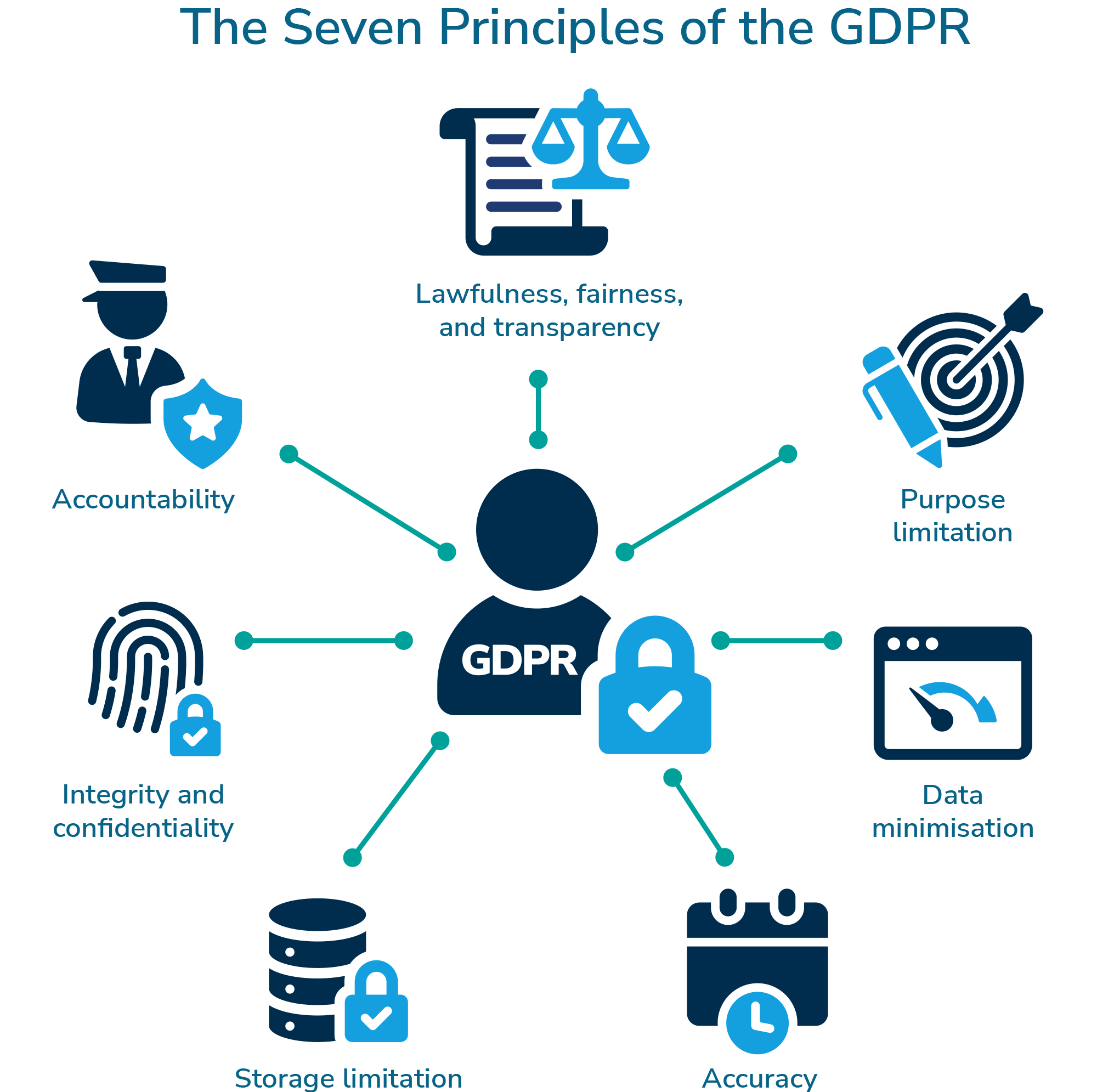
- Lawful, fair, and transparent processing
- Accountability of data controllers and processors
- Strong enforcement through administrative fines and liability mechanisms
2. Administrative Fines under UK GDPR
The UK GDPR provides for two tiers of fines:
(A) Lower Tier
- Up to £8.7 million or 2% of global annual turnover (whichever is higher)
Applies to breaches such as:
- Failure to maintain records
- Lack of data protection by design/default
- Inadequate processor agreements
(B) Higher Tier
- Up to £17.5 million or 4% of global annual turnover
Applies to serious breaches like:
- Violation of data protection principles
- Unlawful processing
- Breach of data subject rights
- International data transfer violations
3. Factors Determining the Quantum of Fines
The Information Commissioner's Office considers:
- Nature, gravity, and duration of the breach
- Intentional or negligent character
- Categories and volume of personal data affected
- Degree of cooperation with the regulator
- Previous infringements
- Mitigating actions taken (e.g., prompt breach response)
4. Liability Framework under UK GDPR
(A) Controllers vs Processors
- Controllers: Primarily responsible for compliance
- Processors: Liable if they:
- Act outside instructions
- Fail to meet GDPR obligations
Both can be jointly and severally liable.
(B) Compensation to Data Subjects
Under Article 82 UK GDPR:
- Individuals can claim compensation for:
- Material damage (financial loss)
- Non-material damage (distress, reputational harm)
(C) Joint and Several Liability
Where multiple parties are involved:
- Each may be held liable for full damage
- They may later seek contribution from each other
5. Enforcement Powers of the ICO
The Information Commissioner's Office has authority to:
- Issue information notices
- Conduct audits and inspections
- Issue enforcement notices
- Impose administrative fines
- Order processing restrictions or bans
6. Key Case Laws and Enforcement Decisions
Although UK GDPR-specific jurisprudence is evolving, courts and enforcement decisions provide strong guidance:
(1) Vidal-Hall v Google Inc (2015)
- Recognized compensation for distress without financial loss
- Expanded scope of liability under data protection law
(2) Lloyd v Google LLC (2021, UKSC)
- Supreme Court limited mass “opt-out” claims for damages
- Clarified that proof of damage is required
(3) Various Claimants v Wm Morrisons Supermarkets plc (2020, UKSC)
- Employer not vicariously liable for rogue employee’s data breach
- Important limitation on corporate liability
(4) British Airways plc v ICO (2020 Enforcement Notice)
- Proposed fine of £183m (later reduced to £20m)
- Data breach affecting ~400,000 customers
- Highlighted importance of cybersecurity safeguards
(5) Marriott International Inc v ICO (2020)
- Fine reduced to £18.4m
- Liability extended to acquired company’s data vulnerabilities
(6) R (Bridges) v Chief Constable of South Wales Police (2020)
- Facial recognition use violated data protection principles
- Reinforces need for lawful and proportionate processing
(7) Rolfe v Veale Wasbrough Vizards LLP (2021)
- Court dismissed trivial data breach claim
- Demonstrates threshold for damage and seriousness
7. Defences and Mitigation
Organizations may avoid or reduce liability if they prove:
- They were not responsible for the event causing damage
- They implemented:
- Appropriate technical and organizational measures
- Prompt breach notification and response
- They complied with:
- Accountability obligations
- Data protection impact assessments (DPIAs)
8. Corporate Governance and Risk Implications
UK GDPR liability is closely tied to corporate governance:
- Boards must oversee data protection strategy
- Integration with risk management frameworks
- Need for:
- Data Protection Officers (DPOs)
- Internal compliance audits
- Cybersecurity investment
Failure may result in:
- Regulatory fines
- Civil liability
- Reputational damage
9. Practical Compliance Measures
To mitigate fines and liability, organizations should:
- Conduct data mapping and audits
- Implement privacy-by-design principles
- Maintain incident response plans
- Train employees on data protection
- Ensure robust vendor/processor contracts
10. Conclusion
UK GDPR establishes a robust enforcement regime combining:
- Significant financial penalties
- Expansive liability rules
- Strong individual rights
Judicial decisions and ICO enforcement demonstrate that liability is not merely theoretical—it has serious financial and reputational consequences. Effective compliance requires a holistic, governance-driven approach integrating legal, technical, and organizational safeguards.
RELATED Blog



comments