



The Pathway to Belonging
- ByNeha Singh --
- 25 Oct 2026 --
- 0 Comments
Who Is an Indian Citizen? A Simple Guide to Citizenship Under the Constitution
By Neha Singh, ABBS School of Law | Constitutional Law |
Introduction
Picture this. You are at an airport and the officer asks, “Are you an Indian citizen?” You say yes and hand over your passport. But is the passport what makes you a citizen?No. The passportis just proof. The real answersits in the Constitution and in one important Act of Parliament.
When I started studying Part II of the Constitution this semester, Articles 5 to 11 looked dry and confusing. Dates, cut-offs,Partition, migration. But once I broke it down, it made sense. So here isthe simple version,the way I wish someonehad explained it to me.
In this post you will learn what citizenship means, what Articles5 to 11 say, how the Citizenship Act, 1955 works, which cases matter, and why all this is more than exam material.
- Whatdoes citizenship mean?
Citizenship is your legalmembership of a country. It links you to the State. In return you get certain rights, and you owe certain duties.
Itis not the same as living somewhere. A foreign studentcan live in India for years and still not be a citizen. Equally, a person is not an Indian citizen just because they hold a ration card or Aadhaar. Citizenship is decided by the Constitution and the law, not by documents alone.
Whydoes it matter?Some rights belongonly to citizens. The freedoms in Article 19 are one example. Citizens can also vote and contest elections.
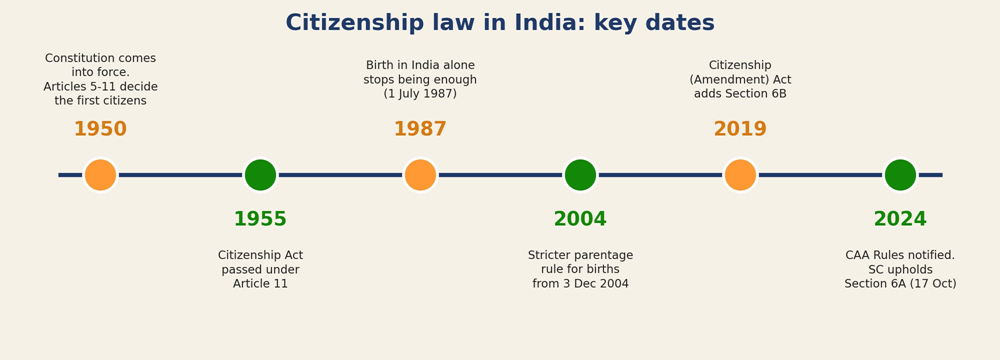 Figure 1: The main dates in India's citizenship law.
- Articles 5 to 11: the starting point
Part II of the Constitution is short. It answers one question: who were the citizens when the Constitution began on 26 January1950? It also gives Parliament the power to make laws after that.
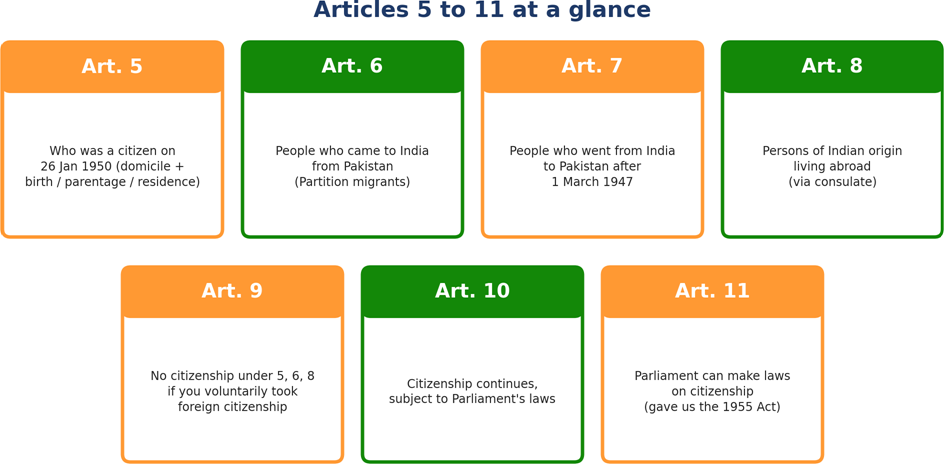
Figure 2: Articles 5 to 11 on one page. Good for quickrevision.
Article 5: citizens at the commencement
A person domiciledin India on 26 January1950 was a citizen if they were born in India, or either parent was born in India, or they had lived in India for at least five years before that date.
Article 6: people who came from Pakistan
Thisdeals with Partition. A person who migrated to India from what is now Pakistancould become a citizen if they met the conditions on date of migration and, in some cases, registration.
Article 7: people who went to Pakistan
Aperson who migratedto Pakistan after1 March 1947 generally lost the rightto citizenship under Articles5 and 6. There is an exception for those who came back under a permit for resettlement or permanent return.
Article 8: Indians livingabroad
A person of Indian origin living outsideundivided India could be registered as a citizenby an Indian diplomatic or consular officer.
Article 9: foreign citizenship
Ifyou voluntarily take another country's citizenship, you cannotclaim Indian citizenship under Articles 5, 6 or 8.
Article 10: citizenship continues
Those who were citizensunder the earlierArticles remain citizens,subject to any law Parliament makes.
Article 11: Parliament's power
Parliament can make laws on how citizenship is gained, how it ends, and anything else connected with it. The Citizenship Act, 1955 was made under this Article.
|
- The Citizenship Act, 1955
This is the main law. It tells us how a person becomes a citizen and how a person can lose citizenship. It has been amended several times, so always check the latest text.
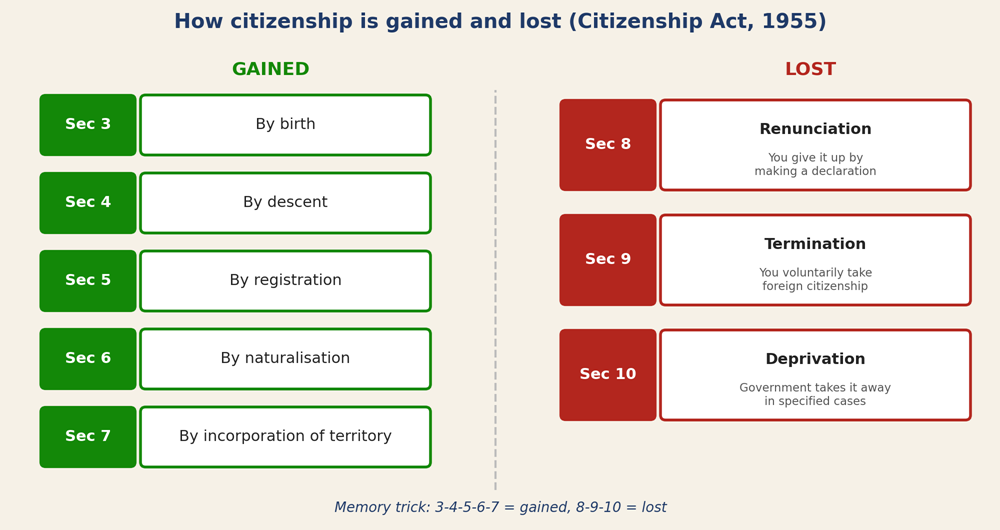
Figure 3: Sections 3 to 7 give citizenship. Sections 8 to 10 take it away.
Section 3: by birth
This depends on when you were born. The rules became stricter over time, mainly because of migration concerns in the North-East.
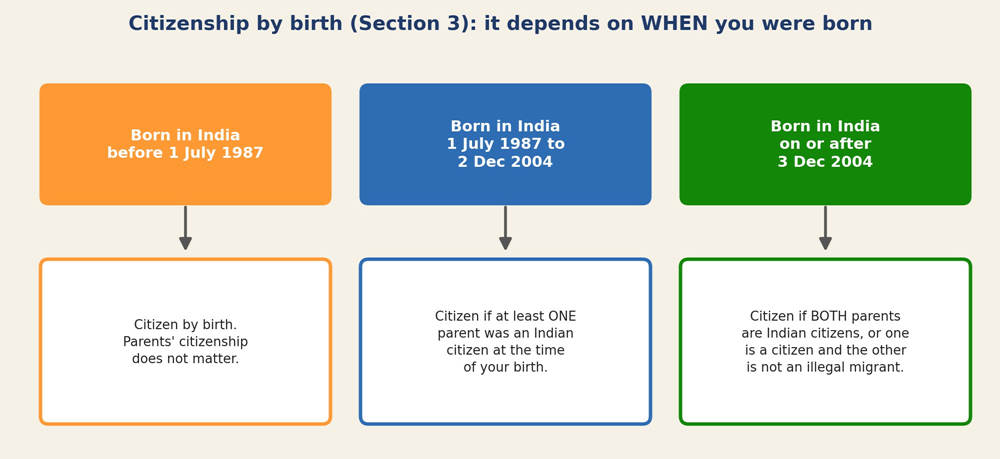
Figure 4: Birth rules in three time periods.
Section 4: by descent
Thisis for people born outsideIndia. It dependson the date of birth, a parent'scitizenship and registration at an Indian consulate.
Section 5: by registration
Certain groups can apply. Examples are persons of Indian origin who live in India and spouses of Indian citizens, if they meet the conditions. It is not automatic. The government has to approve it.
Section 6: by naturalisation
Aforeigner can applyafter living in India for the requiredperiod (generally about11 years), showing good character, knowing a language in the Eighth Schedule, and intending to settle here. Applying does not guarantee success.
Section 7: by incorporation of territory
Ifa foreign territory becomes part of India, the Central Government decides who in that territory becomes an Indian citizen. Puducherry is a common example.
- Losing citizenship
- Renunciation (Section 8): an adult of sound mind makes a declaration givingup Indian citizenship.
- Termination (Section 9): citizenship ends if a personvoluntarily acquires another country's citizenship. Whether this has happenedis decided by the CentralGovernment, following the rules.
- Deprivation (Section10): the Central Government can take away citizenship in limited cases, such as when it was obtained by fraud. A fair process is required.
Onepoint to remember:nobody loses citizenship just because someonealleges it. The law has to be followed.
- TheCitizenship (Amendment) Act, 2019
ThisAct added Section6B to the 1955 Act. It gives a faster route to citizenship for Hindus, Sikhs, Buddhists, Jains, Parsis and Christians from Afghanistan, Bangladesh and Pakistan who entered India on or before31 December 2014.It also reducedthe residence requirement for them to five years. The Citizenship (Amendment) Rules, 2024 set out how to apply.
It is also one of the most debated laws in recent years. Supporters say it helps persecuted minorities in three neighbouring countries. Critics say that using religion as a basis goes against Article 14 and the idea of secularism. Many petitions challenge it in the Supreme Court. The Court listed the final hearingsfrom 5 May 2026, so please check the lateststatus before relying on this section.
Aslaw students, our job is simple. Read the text of the Act. Understand both sides. And separate what the law says from what the Court has actually decided.
- Citizenship and fundamental rights
Many students think non-citizens have no rights in India. That is wrong. The Constitution protects some rights for everyone on Indian soil.
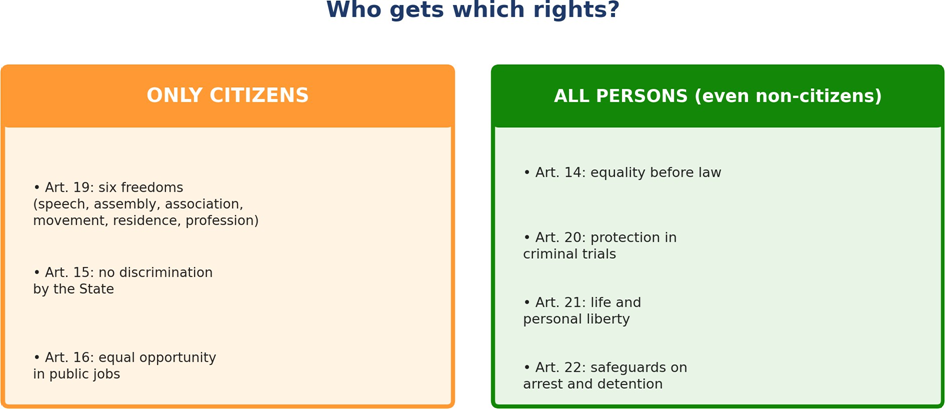
Figure 5: Rightsfor citizens only versus rightsfor all persons.
Soa foreigner cannot claim the Article 19 freedoms. But Article 14 and Article21 still protect them. The Chakma cases below show this clearly.
- Cases every student shouldknow
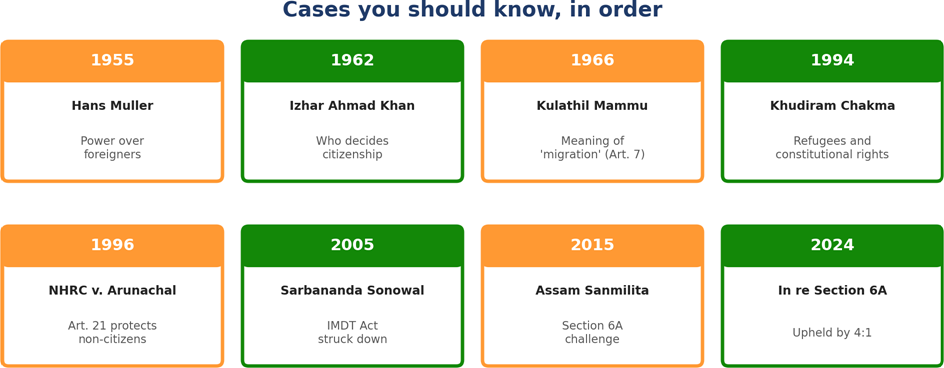
Figure 6: The cases in this post, in order of year.
Hans Muller of Nurenburg v. Superintendent, Presidency Jail, AIR 1955 SC 367
TheCourt looked at the Union'spower to expelforeigners. It is a usefulcase to see how the law treats foreigners differently from citizens.
Izhar Ahmad Khan v. Union of India, AIR 1962 SC 1052
Thiscase dealt with the rules on who decides whethera person has acquired foreign citizenship, and it helps explain Parliament's role under Article 11.
Kulathil Mammu v. State of Kerala,AIR 1966 SC 1614
The questionwas what “migration” means in Article7. The Court read the word in the lightof Partition.
State of ArunachalPradesh v. KhudiramChakma, 1994 Supp (1) SCC 615 Thisconcerned Chakma refugeesliving in ArunachalPradesh. It is often cited to show that people who are not citizens still have constitutional protection.
NHRC v. State of Arunachal Pradesh, (1996) 1 SCC 742
The National Human Rights Commission asked the Court to protect Chakmas from threats to their lives. The Court directed the State to protect their life and liberty, and to deal with citizenship applications as the law requires. Key takeaway: Article 21 protects all persons.
Sarbananda Sonowal v. Union of India, (2005) 5 SCC 665
The Court struck down the Illegal Migrants (Determination by Tribunals) Act, 1983, which applied only in Assam. It is a major case on illegal migration.
Assam Sanmilita Mahasanghav. Union of India, (2015) 3 SCC 1
This brought the challenge to Section 6A (the Assam Accord provision) before the Supreme Court. It was later referred to a Constitution Bench.
In re: Section 6A of the Citizenship Act, 1955, 2024 INSC 789
On17 October 2024, a five-judge Constitution Bench upheld Section 6A by a 4:1 majority. Justice Pardiwala gave a dissenting opinion. Read the full judgment to understand the reasoning on both sides.
1.Rights come with duties
Article 51A lists the Fundamental Dutiesof citizens. They include respecting the Constitution, protecting the unity and integrityof India, promotingharmony, protecting public property and developing a spirit of inquiry. Courts do not enforce these duties like fundamental rights, but they show what the Constitution expects from us.
- Problems we still face today
- Missing papers: old birth records may be lost or inconsistent, which makes proving status hard.
- Equality questions: citizenship laws raise questions about reasonable classification and secularism.
- Statelessness: people with no country face problems in getting basicservices.
- Confusion in public debate:citizenship, residence, immigration status and ID cards are four different things.
- State power versus individual rights: the State can regulate citizenship, but it must act within the Constitution.
Conclusion
Citizenship decides who belongsto the State and who gets certainrights. Articles 5 to 11 laid the foundation, and the Citizenship Act, 1955 builds on it. The cases show that these are not just technical questions. They involve human dignity, migration, equality and national interest.
Forme, the biggest lesson was simple. Even a person who is not a citizen still has the right to life and liberty under Article 21. That says a lot about the kind of Constitution we have.
|
References
- Constitution of India, Part II (Articles 5 to 11); Articles 14, 19, 20, 21, 22 and 51A.
- Citizenship Act, 1955, as amended.
- Citizenship (Amendment) Act, 2019 and Citizenship (Amendment) Rules, 2024.
- HansMuller of Nurenburg v. Superintendent, Presidency Jail, AIR 1955 SC 367.
- Izhar Ahmad Khan v. Union of India, AIR 1962 SC 1052.
- Kulathil Mammu v. State of Kerala,AIR 1966 SC 1614.
- State of Arunachal Pradeshv. Khudiram Chakma,1994 Supp (1) SCC 615.
- National Human Rights Commission v. State of Arunachal Pradesh,(1996) 1 SCC 742.
- Sarbananda Sonowal v. Unionof India, (2005)5 SCC 665.
- Assam Sanmilita Mahasangha v. Union of India, (2015)3 SCC 1.
- In re : Section 6A of the Citizenship Act, 1955, 2024 INSC 789.
About the Author
Neha Singh
ABBS School of Law
Neha is a law student at ABBS School of Law, pursuing an integrated law degree. She enjoys constitutional law and fundamental rights, and likesturning tough topicsinto simple notes.She writes to help fellow students understand the Constitution without the jargon.
RELATED Blog





comments