



Constitutional Law at Morocco
1. Separation of Powers and Executive Authority
Case: Powers of the King versus the Prime Minister.
The King of Morocco retains significant constitutional authority, including appointing the Prime Minister (from the party winning parliamentary elections), dissolving parliament, and commanding the military.
Example: In 2017, after parliamentary elections, the King appointed the leader of the winning party as Prime Minister, even though another coalition attempted to form a government. This demonstrates the King’s prerogative under constitutional provisions.
Impact: Reinforces the monarchy’s central role while requiring cooperation with elected officials.
2. Protection of Fundamental Rights
Case: Freedom of expression and press.
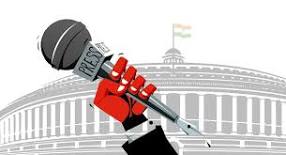
The Constitution guarantees freedom of expression, assembly, and press, while prohibiting censorship except in cases that threaten national security, public order, or morality.
Example: Journalists publishing investigative reports about corruption must operate within the legal framework. Constitutional law protects their right to report but also allows for legal action if the reporting endangers public safety or defames individuals.
Impact: Balances civil liberties with societal stability and legal accountability.
3. Judicial Independence
Case: Appointment and oversight of judges.
Article 121 of the Moroccan Constitution emphasizes the independence of the judiciary. Judges cannot be removed arbitrarily, and courts operate free from political interference.
Example: In a high-profile commercial dispute between a state-owned company and a private enterprise, the court must make a decision based solely on law, despite political pressure. The Constitution ensures that the judiciary can rule impartially.
Impact: Strengthens rule of law, protects rights of citizens, and promotes confidence in the legal system.
4. Gender Equality and Family Law
Case: Reform of the family code (Moudawana).
Constitutional principles promote equality between men and women. Article 19 guarantees equal opportunities and non-discrimination.
Example: The 2004 reform of the Family Code, inspired by constitutional commitments, allowed women greater rights in marriage, divorce, and child custody. Women gained the ability to initiate divorce under specific conditions and retain legal authority over children.
Impact: Demonstrates constitutional influence on social reform and gender equality.
5. Freedom of Religion and Minority Rights
Case: Protection of religious minorities.
Morocco is a Muslim-majority country but the Constitution guarantees freedom of belief and religious practice. Article 3 designates Islam as the religion of the state but respects other faiths.
Example: Religious minorities, such as Christians or Jews, are allowed to practice their religion privately and maintain places of worship. Constitutional law ensures they cannot be persecuted for their beliefs.
Impact: Promotes tolerance and coexistence within a legally recognized framework.
6. Decentralization and Regional Governance
Case: Creation of regional councils.
The 2011 Constitution strengthened decentralization, allowing elected regional councils to manage local development, budgets, and resources.
Example: The Tangier-Tetouan-Al Hoceima region manages local infrastructure projects and healthcare initiatives through its elected council, exercising powers granted by the Constitution while coordinating with national authorities.
Impact: Enhances local governance, citizen participation, and accountability in public administration.
7. Constitutional Review and the Role of the Constitutional Court
Case: Judicial review of legislation.
Morocco’s Constitutional Court examines laws and regulations to ensure compliance with the Constitution.
Example: If Parliament passes a law limiting freedom of the press beyond constitutional limits, the Constitutional Court can invalidate or amend the law.
Impact: Provides a check on legislative and executive power, safeguarding constitutional rights.
RELATED Blog








comments