



Health Care Law at New Zealand
1. Overview of Health Care Law in New Zealand
Health care law in New Zealand is a combination of statutory law, common law principles, and regulatory frameworks. Key components include:
Legislative Framework
New Zealand Public Health and Disability Act 2000
Establishes the public health system, District Health Boards (DHBs), and patient rights.
Health and Disability Commissioner Act 1994
Establishes the Health and Disability Commissioner (HDC) to protect patient rights and investigate complaints.
Enforces the Code of Health and Disability Services Consumers’ Rights, including informed consent, dignity, and effective care.
Medicinal and Therapeutic Products Regulations
Covers the approval, supply, and oversight of medicines and therapeutic interventions.
Accident Compensation Corporation (ACC) Legislation
Provides compensation for personal injury, including medical misadventures.
Common Law Principles
Negligence, informed consent, and duty of care govern professional liability.
2. Key Case Studies in Health Care Law
Case 1 — Clayton v. Director-General of Health [1998] — Consent and Treatment Rights
Facts:
A patient received a medical procedure without full disclosure of risks, resulting in complications.
Legal Issues:
Duty to obtain informed consent
Breach of the patient’s right to be informed under the Code of Health and Disability Services Consumers’ Rights
Court Reasoning:
The court emphasized that medical practitioners must disclose material risks that a reasonable patient would consider significant.
Failure to inform patients constitutes a breach of duty, even if the procedure is otherwise standard.
Outcome:
Patient awarded damages for lack of informed consent.
Reinforced the principle that consent is both legal and ethical.
Case 2 — G v. Health and Disability Commissioner [2001] — Negligence in Psychiatric Care
Facts:
A psychiatric patient self-harmed while under care in a public facility. Complaint filed with the HDC alleging negligence and failure to provide a safe environment.
Legal Issues:
Duty of care in psychiatric facilities
Adequacy of risk assessment and monitoring
HDC Reasoning:
Facility failed to implement proper supervision and risk mitigation strategies.
Staff negligence and systemic failures contributed to the harm.
Outcome:
HDC found breach of patients’ rights under the Code.
Recommendations included improved training, monitoring, and policy reforms.
Case 3 — B v. Waitemata District Health Board [2005] — Medical Malpractice and Surgical Errors
Facts:
A patient underwent surgery resulting in permanent injury due to surgical error.
Legal Issues:
Professional negligence (duty of care, breach, causation, damage)
Standard of care expected from surgeons
Court Reasoning:
The surgeon failed to meet the competent professional standard expected.
Courts used expert testimony to establish the breach and foreseeability of harm.
Outcome:
Compensation awarded for injury, pain, and suffering.
Case emphasized that standard of care in surgical practice is strictly applied.
Case 4 — A v. Accident Compensation Corporation [2010] — Medical Misadventure
Facts:
Patient suffered injury during a medical procedure. ACC claim submitted for “medical misadventure.”
Legal Issues:
Scope of ACC coverage for treatment injuries
Whether negligence constitutes a medical misadventure
Court Reasoning:
ACC distinguished between negligence and accidental medical injury.
Claim was approved as medical misadventure because injury occurred during treatment, regardless of fault.
Outcome:
Patient received compensation under ACC.
Reinforced that New Zealand law provides no-fault compensation for treatment injuries.
Case 5 — Moore v. Health and Disability Commissioner [2014] — Privacy and Confidentiality
Facts:
A patient alleged a breach of medical confidentiality when private health information was shared without consent.
Legal Issues:
Right to privacy under the Code of Health and Disability Services Consumers’ Rights
Consent and disclosure of health information
HDC Reasoning:
Healthcare provider violated patient rights by sharing identifiable information without proper consent.
Privacy protections are fundamental to patient trust and autonomy.
Outcome:
HDC recommended disciplinary action and training.
Emphasized strict adherence to confidentiality in health care.
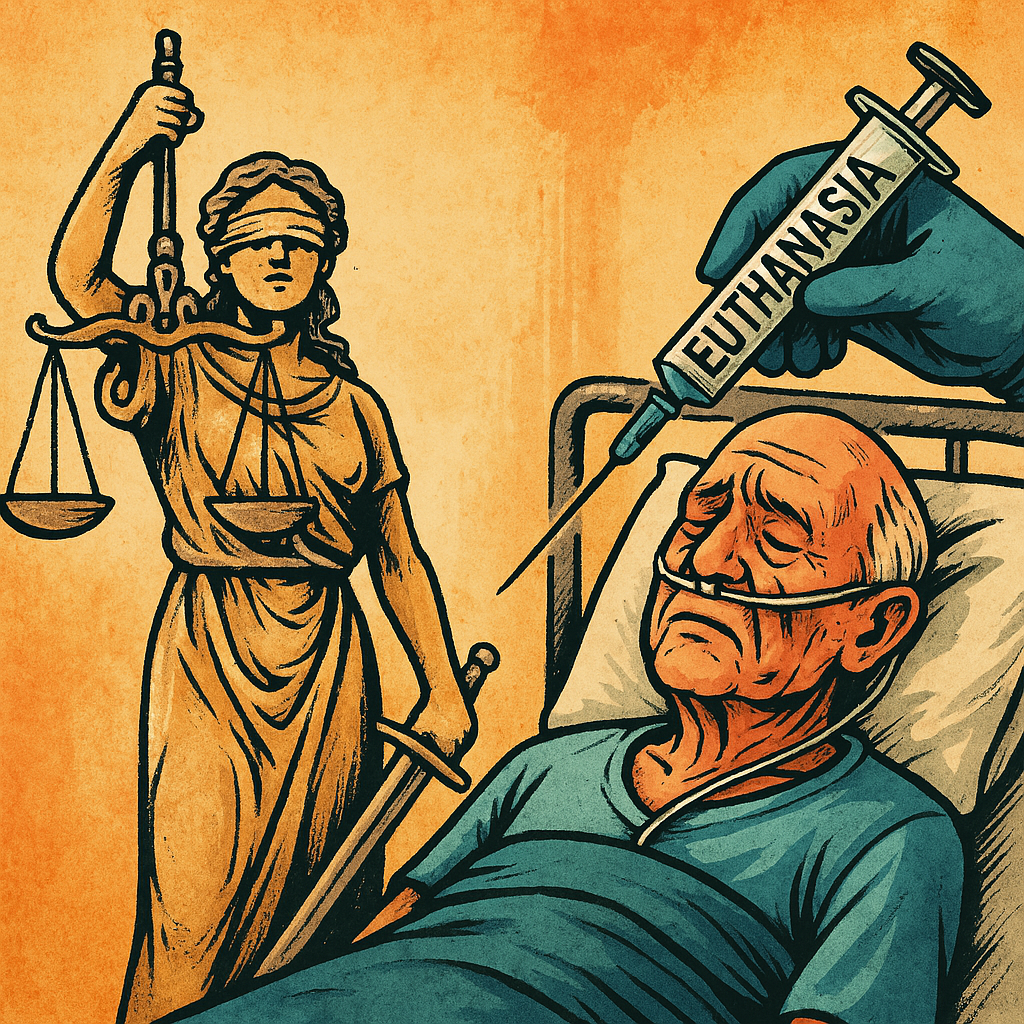
Case 6 — X v. District Health Board [2018] — End-of-Life Care and Autonomy
Facts:
A patient requested palliative care and withdrawal of life-sustaining treatment. Family and hospital staff disagreed on the ethical and legal course of action.
Legal Issues:
Right to refuse treatment and bodily autonomy
Interpretation of informed consent in end-of-life scenarios
Court Reasoning:
Courts recognized patient autonomy as a fundamental right under domestic law.
Medical staff must respect competent patients’ treatment decisions, even if family objects.
Outcome:
Patient’s wishes were upheld.
Case reinforced legal recognition of end-of-life autonomy and informed consent.
3. Key Takeaways from New Zealand Health Care Law
Informed Consent is Central: Failure to properly inform patients of risks can result in liability.
No-Fault Compensation via ACC: Patients injured during treatment can receive compensation regardless of negligence.
HDC Oversight: The Health and Disability Commissioner enforces patient rights, investigates complaints, and promotes system-wide improvements.
Negligence Standard: Medical professionals are held to competent professional standards; breaches can lead to civil liability.
Patient Autonomy and Privacy: Rights to confidentiality, autonomy, and refusal of treatment are strongly protected.
Public Health and Systemic Issues: Courts and HDC also address failures in institutional policies, supervision, and systemic safety.
RELATED Blog






comments